
Shoulder pain can make even the simplest daily tasks feel frustrating. Reaching into a cupboard, putting on a jacket, lifting groceries, carrying your child, or even brushing your hair can suddenly become painful. If you’ve noticed discomfort every time you raise your arm, you’re not alone. Shoulder pain is one of the most common musculoskeletal conditions treated by physiotherapists and affects people of all ages, from office workers and athletes to retirees and active seniors.
At CN Physiotherapy, we regularly help patients throughout Ottawa, Orléans, Fallingbrook, Navan, Blackburn Hamlet, Beacon Hill, Cumberland, and Nepean overcome shoulder pain through evidence-based physiotherapy treatment. Understanding why your shoulder hurts is the first step toward finding lasting relief.
Why Does Shoulder Pain Occur?
The shoulder is the most mobile joint in the human body. Unlike the hip joint, which prioritizes stability, the shoulder is designed to move freely in almost every direction. This incredible range of motion allows you to lift, throw, push, pull, reach overhead, and perform countless everyday activities.
However, this mobility also makes the shoulder more vulnerable to injury. Your shoulder relies on a complex combination of muscles, tendons, ligaments, cartilage, bursae, and bones working together in perfect harmony. When one of these structures becomes irritated or damaged, pain often develops when lifting your arm.
Many people assume shoulder pain will simply disappear after a few days of rest. While mild muscle soreness may improve naturally, persistent pain often indicates an underlying condition that should be properly assessed by a physiotherapist.
Common Symptoms of Shoulder Pain
Shoulder conditions don’t always present the same way. Some people experience sharp pain only during certain movements, while others develop a constant ache throughout the day.
Common symptoms include:
- Pain when lifting your arm above shoulder height
- Difficulty reaching behind your back
- Pain while sleeping on the affected side
- Clicking or popping sensations
- Shoulder weakness
- Stiffness and reduced mobility
- Pain that travels into the upper arm
- Difficulty lifting groceries or household items
- Pain during sports or exercise
- Discomfort while dressing or grooming
If these symptoms persist for more than a week or two, it is important to seek professional assessment before the condition worsens.
Rotator Cuff Injuries
One of the leading causes of shoulder pain is a rotator cuff injury. The rotator cuff is made up of four muscles and their tendons that stabilize the shoulder joint and allow smooth movement.
Rotator cuff injuries may develop from:
- Repetitive lifting
- Sports activities
- Heavy manual labour
- Gardening
- Painting ceilings
- Poor posture
- Age-related wear and tear
Patients often notice pain when reaching overhead or lifting objects away from their body. Weakness may also make everyday tasks increasingly difficult.
Physiotherapy plays an important role in restoring strength, reducing inflammation, and improving shoulder mechanics without relying solely on medications.
Shoulder Impingement Syndrome
Shoulder impingement occurs when the tendons become compressed during movement. This compression irritates the tissues and produces pain whenever the arm moves into certain positions.
People with shoulder impingement often experience pain when:
- Reaching into cupboards
- Putting on shirts or coats
- Fastening a seatbelt
- Washing their hair
- Playing tennis or golf
- Sleeping on the painful shoulder
Left untreated, shoulder impingement can eventually contribute to tendon damage or rotator cuff tears.
Frozen Shoulder
Frozen shoulder, also known as adhesive capsulitis, develops gradually over time. It typically progresses through three stages.
The first stage involves increasing pain and inflammation.
The second stage is characterized by significant stiffness and loss of movement.
Finally, the shoulder slowly begins recovering, although this process may take several months.
Frozen shoulder commonly affects adults over the age of 40 and is more frequently seen in individuals living with diabetes or following periods of shoulder immobilization.
Physiotherapy helps maintain movement while reducing stiffness throughout the recovery process.
Shoulder Arthritis
As we age, the cartilage protecting the shoulder joint gradually wears down. This condition, known as osteoarthritis, may cause:
- Aching pain
- Morning stiffness
- Grinding sensations
- Reduced flexibility
- Pain during weather changes
- Difficulty reaching overhead
Although arthritis cannot be reversed, physiotherapy helps improve joint function while strengthening surrounding muscles to reduce stress placed on the shoulder.
Shoulder Bursitis
Small fluid-filled sacs called bursae reduce friction between muscles, tendons, and bones.
When these bursae become inflamed, every shoulder movement may become painful.
Shoulder bursitis frequently develops following repetitive overhead activities, sports participation, prolonged pressure, or minor injuries.
Appropriate physiotherapy treatment can reduce inflammation while correcting movement patterns that contributed to the problem.
Tendinitis
Shoulder tendinitis occurs when tendons become irritated due to repetitive use or excessive strain.
It commonly affects people who:
- Play racquet sports
- Lift weights
- Perform repetitive overhead work
- Complete home renovations
- Shovel snow
- Frequently lift children
Early treatment often prevents tendinitis from progressing into a chronic condition.
Could the Pain Be Coming From Your Neck?
Interestingly, not all shoulder pain actually originates within the shoulder itself.
Problems involving the cervical spine may cause pain that radiates into the shoulder and upper arm. This is why a comprehensive physiotherapy assessment is so important.
Treating only the painful area without identifying the true source of the problem may delay recovery.
Why Rest Alone Usually Isn’t Enough
Many people immediately stop using their shoulder whenever pain develops.
While short-term rest may help reduce irritation during the early stages of an injury, prolonged inactivity often creates additional problems.
Extended rest can lead to:
- Muscle weakness
- Joint stiffness
- Reduced circulation
- Loss of flexibility
- Slower healing
Rather than avoiding movement altogether, physiotherapy focuses on restoring healthy movement while avoiding activities that aggravate the injury.
How Physiotherapy Helps Shoulder Pain
Every shoulder injury is unique.
At CN Physiotherapy, treatment begins with a detailed assessment to determine exactly which structures are involved and why your pain developed.
Once the underlying cause has been identified, a personalized treatment plan is developed based on your goals, lifestyle, occupation, and activity level.
Treatment may include:
Manual Therapy
Hands-on techniques improve joint mobility, reduce stiffness, and decrease pain while restoring normal shoulder movement.
Therapeutic Exercise
Specific strengthening and mobility exercises improve muscle balance and stability around the shoulder.
These exercises are carefully progressed as healing occurs.
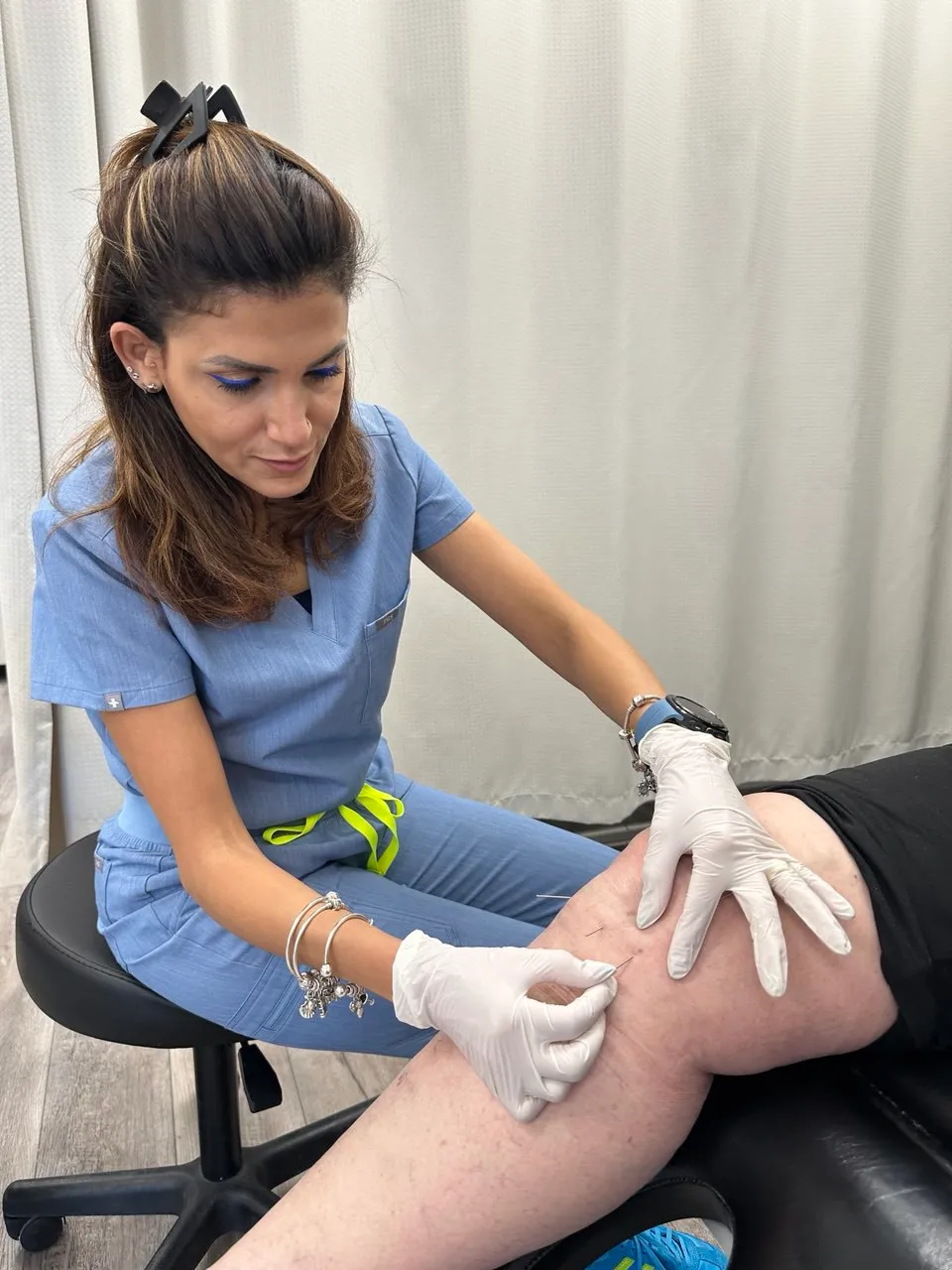
Dry Needling
For patients with muscular tightness or trigger points, dry needling may help reduce pain while improving movement.
Shockwave Therapy
Shockwave therapy may be recommended for chronic tendon injuries such as rotator cuff tendinopathy or calcific tendonitis.
This non-invasive treatment encourages tissue healing while reducing chronic pain.
Postural Correction
Poor posture frequently contributes to shoulder pain, particularly among office workers who spend long hours sitting at a computer.
Improving posture often reduces unnecessary stress placed on the shoulder joint.
Preventing Future Shoulder Problems
Although not every shoulder injury can be prevented, several simple habits significantly reduce your risk.
These include:
- Maintaining good posture
- Performing regular strengthening exercises
- Stretching tight muscles
- Warming up before sports
- Avoiding repetitive overhead activities whenever possible
- Taking frequent breaks during computer work
- Using proper lifting techniques
- Addressing pain early instead of ignoring it
Preventative physiotherapy can also identify movement limitations before they develop into painful injuries.
When Should You See a Physiotherapist?
You should consider booking a physiotherapy assessment if:
- Your shoulder pain lasts longer than two weeks.
- You cannot comfortably lift your arm.
- Pain wakes you during the night.
- You notice weakness when lifting objects.
- Your shoulder movement continues to decrease.
- You recently experienced a fall or sports injury.
- The pain keeps returning despite rest.
Early assessment often leads to faster recovery and helps prevent more significant injuries from developing.
How CN Physiotherapy Can Help
At CN Physiotherapy, our experienced physiotherapists provide comprehensive assessments and evidence-based treatment for a wide variety of shoulder conditions.
Whether your pain resulted from a sports injury, workplace injury, repetitive strain, arthritis, or everyday activities, we develop personalized treatment plans designed around your specific needs.
We proudly serve patients throughout Ottawa, Orléans, Fallingbrook, Navan, Blackburn Hamlet, Beacon Hill, Cumberland, Nepean, and surrounding communities.
Our goal is simple: reduce your pain, restore your mobility, improve your strength, and help you return to doing the activities you enjoy.
Frequently Asked Questions
Can physiotherapy help shoulder pain without surgery?
Yes. Many shoulder conditions respond extremely well to conservative physiotherapy treatment. Depending on the diagnosis, physiotherapy may reduce pain, improve strength, restore mobility, and help many patients avoid surgical intervention.
How long does shoulder pain take to recover?
Recovery depends on the underlying condition. Mild muscle strains may improve within a few weeks, while more complex conditions such as frozen shoulder or chronic tendon injuries may require several months of rehabilitation.
Is it okay to exercise with shoulder pain?
It depends on the cause of your pain. Some exercises may improve healing, while others could worsen your condition. A physiotherapist can determine which movements are safe for your specific injury.
Why does my shoulder hurt more at night?
Night pain often occurs because inflamed tissues become compressed while lying down. Certain conditions such as rotator cuff injuries, bursitis, and frozen shoulder commonly produce increased discomfort during sleep.
Can poor posture cause shoulder pain?
Yes. Poor posture changes the position of the shoulder blade and surrounding muscles, placing additional stress on tendons and joints over time.
Is shoulder pain always caused by an injury?
No. Shoulder pain may result from arthritis, repetitive strain, poor posture, muscle imbalances, or even conditions affecting the neck.
Can shoulder pain spread into my arm?
Yes. Many shoulder conditions cause pain that radiates into the upper arm. Neck-related conditions may also produce similar symptoms, making proper assessment important.
When should I seek medical attention immediately?
If shoulder pain occurs after a significant injury, is accompanied by severe swelling, deformity, numbness, loss of circulation, or inability to move the arm, seek immediate medical attention.
Take the First Step Toward Lasting Shoulder Pain Relief
Shoulder pain doesn’t have to become part of your daily life. The sooner the underlying cause is identified, the sooner appropriate treatment can begin. Whether your symptoms developed gradually or appeared suddenly after an injury, physiotherapy can help restore movement, reduce pain, and improve your quality of life.
If you’re experiencing shoulder pain when lifting your arm, contact CN Physiotherapy today to schedule a comprehensive assessment. Our experienced team is here to help patients across Ottawa, Orléans, Fallingbrook, Navan, Blackburn Hamlet, Beacon Hill, Cumberland, and Nepean get back to living, working, and moving with confidence.