Whether you’re a fitness buff, a new mom trying to get back in the workout game, or you have pelvic pain, your pelvic floor health could use some attention. Lots of people don’t understand what they can do to keep their pelvic floor strong during exercise — until they have worrisome symptoms like leaking, heaviness, or pain.
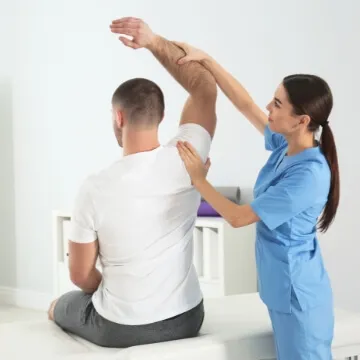
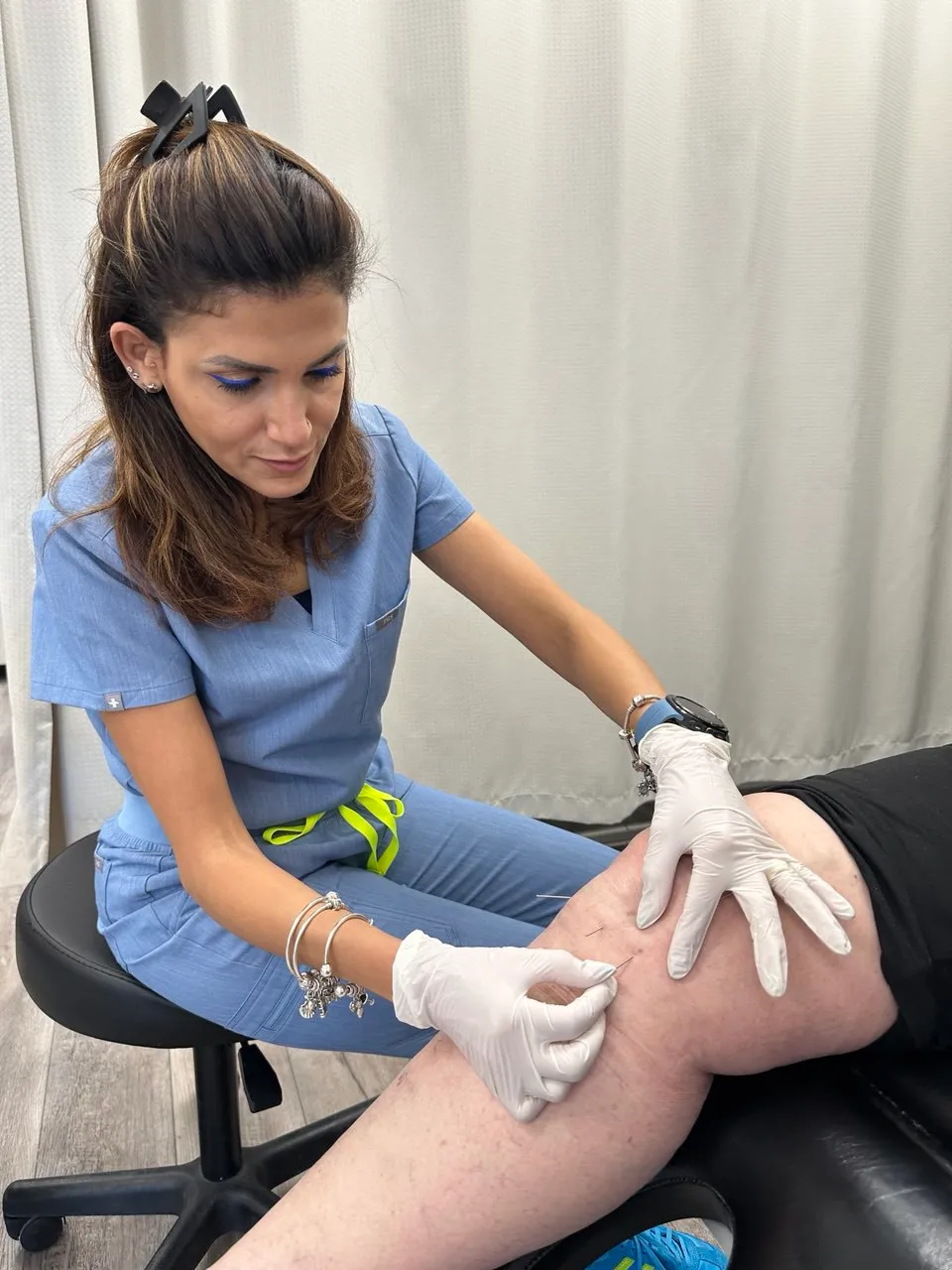
Pelvic health physiotherapy is one of our specialties at CN Physiotherapy Ottawa, and we’re here to help you understand how to exercise safely without straining your pelvic floor.
Why Does the Pelvic Floor Matter?
The pelvic floor is a cluster of muscles and other tissues that support your bladder, bowel, and reproductive organs. It’s central to core stability, continence, and sexual function.
But when they’re weak or overworked (the result of pregnancy, childbirth, heavy lifting, or high-impact exercise), you can have:
- Urinary leakage
- Feeling of pressure or heaviness in the pelvic region
- Lower back or hip pain
Signs You’re Putting Too Much Stress on Your Pelvic Floor
If you notice any of the following during or after your workout, it’s time to take action:
- Leaking urine when you cough, sneeze, run, or lift weights
- Feeling heaviness or a bulge in the vaginal or rectal area
- Pain or discomfort in your pelvis
- Lower back pain that doesn’t go away
5 Ways to Protect Your Pelvic Floor When You Exercise
1. Get Your Breathing Technique Right
Avoid holding your breath during exercise, especially when weightlifting. This can increase intra-abdominal pressure and strain your pelvic floor. Instead, breathe out on exertion!
➡️ Example: Breathe out when you push or lift.
2. Engage Your Core Properly
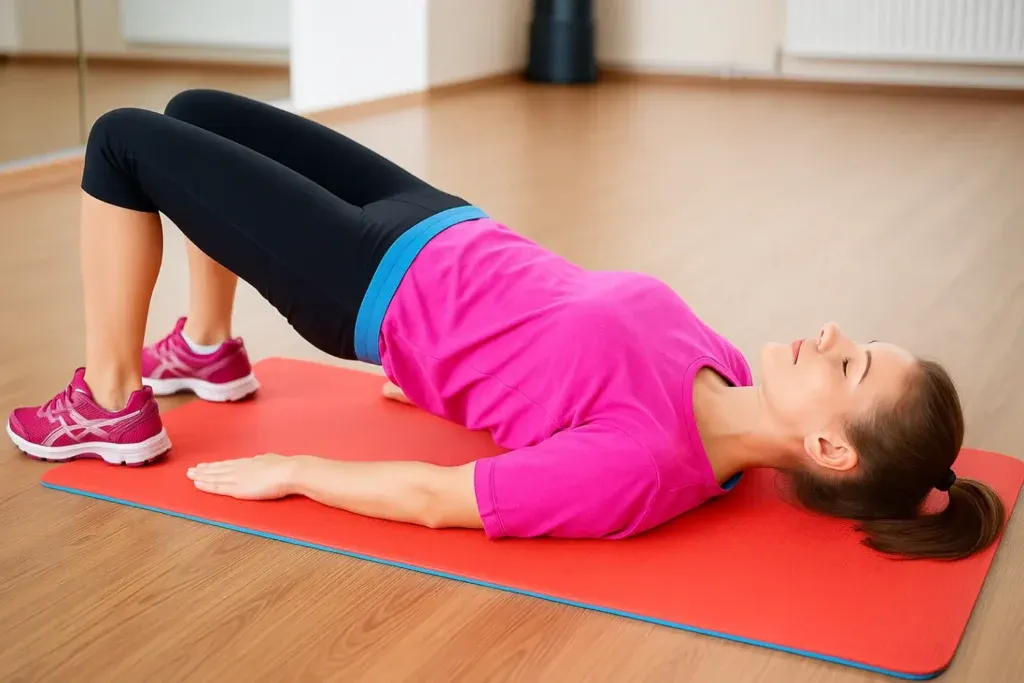
Practice activating your deep core muscles (transversus abdominis) without tightening down. Attempt to slowly bring your belly button towards your spine and activate your pelvic floor muscles.
3. Substitute Low-Impact Movements
Running, jumping, and heavy lifting can be stressful on a weak pelvic floor. Substitute them with low-impact exercises like cycling, swimming, or strength training with lighter weights until your pelvic floor is stronger.
4. Mind Your Posture and Alignment
Proper alignment reduces pressure on your pelvic floor. Attempt to keep your spine neutral, with ribs over hips, during exercise. Avoid slouching or excessive arching of your back.
5. See a Pelvic Health Physiotherapist
At CN Physiotherapy Ottawa, our pelvic floor specialists provide one-on-one exercise programs, teach proper techniques, and guide you toward a safer, stronger exercise routine.
Meet Emily: A Success Story
Emily, a mom of two, came to CN Physiotherapy worried about leaking during workouts. After working with our team on breathing, core strength, and pelvic floor coordination, she’s back to doing her favorite exercises—leak-free and confident!
“I wish I’d known this sooner! The team at CN Physiotherapy made it simple to protect my pelvic floor while staying active.”
Don’t Wait to Give Your Pelvic Floor the Care It Deserves
Whether you’re dealing with symptoms or want to prevent problems, physiotherapy can make all the difference.
Pelvic Floor Physiotherapy at Three Ottawa Locations
CN Physiotherapy provides pelvic floor physiotherapy at three convenient Ottawa locations. Choose the clinic closest to you to learn more and book your appointment:
- Pelvic Floor Physiotherapy in Carling
- Pelvic Floor Physiotherapy in Orléans
- Pelvic Floor Physiotherapy in Fallingbrook
Take the first step toward better pelvic health. Contact CN Physiotherapy today to book your pelvic floor assessment.