
A fall can be unsettling, even when it does not cause a serious injury. One moment you are walking, reaching, stepping off a curb, going down stairs, or moving around your home, and the next moment your confidence can feel shaken. After a fall, many people focus only on bruises, soreness, or whether anything is broken. Those things matter, but recovery is not only about pain. It is also about rebuilding strength, improving balance, moving safely, and feeling steady again in everyday life.
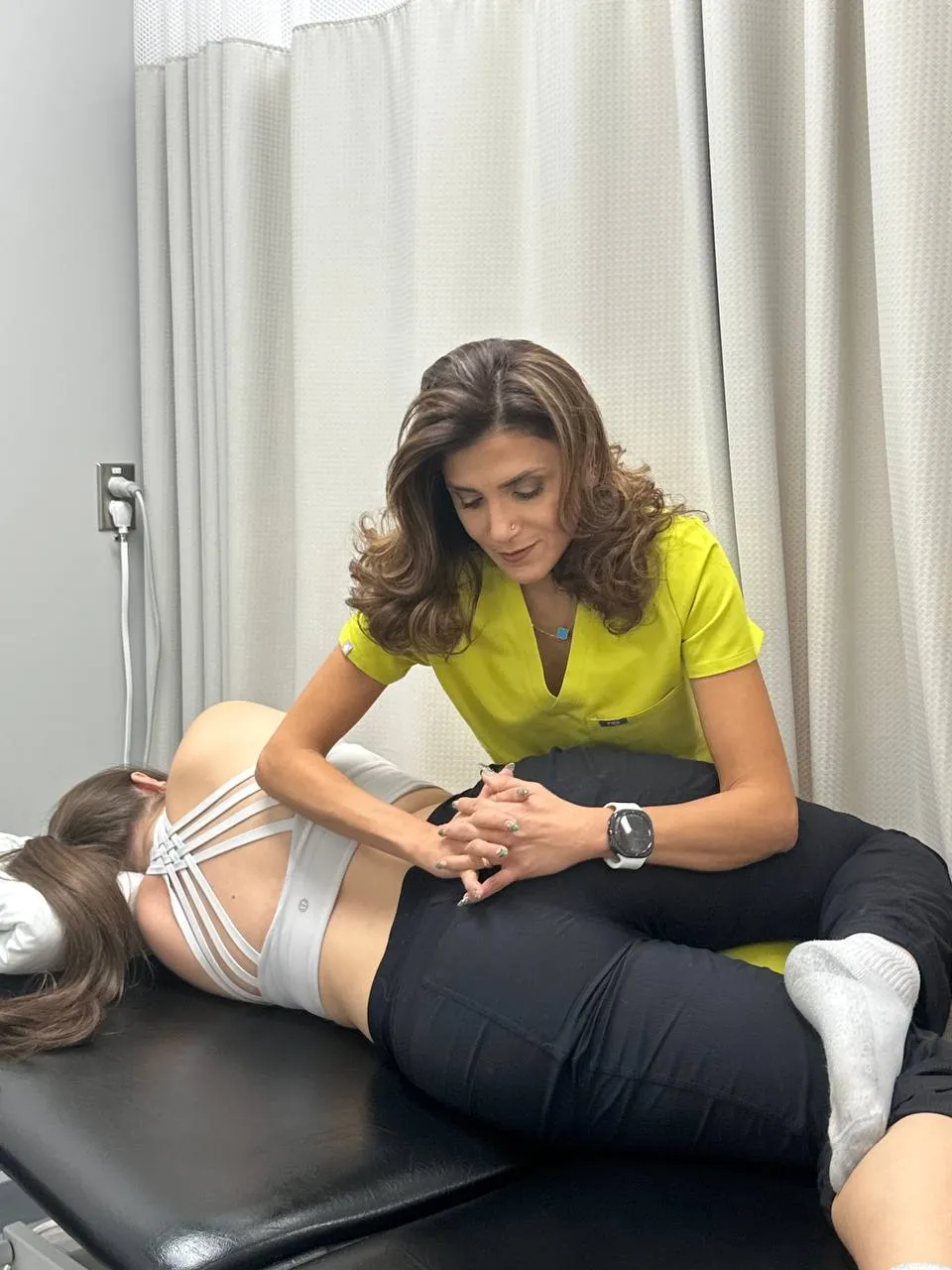
For many people in Ottawa, physiotherapy can play an important role after a fall. Whether the fall happened at home, outdoors, at work, on ice, during exercise, or while doing daily errands, a physiotherapist can assess how your body is moving, identify what may have contributed to the fall, and help you build a plan to recover safely.
Why Falls Can Affect More Than the Injured Area
After a fall, the body may feel sore in several places. You may notice pain in the hip, knee, shoulder, wrist, back, neck, ankle, or ribs. Sometimes the pain starts right away. Other times, stiffness and discomfort appear the next day as the body reacts.
Even if there is no fracture or major injury, a fall can still affect how you move. You may begin walking differently to avoid pain. You may avoid stairs, curbs, uneven ground, or certain rooms in the house. You may stop doing activities you used to do comfortably. Over time, this can lead to weakness, stiffness, reduced balance, and fear of falling again.
This is why recovery should look at the full picture. The injured area matters, but so do strength, balance, coordination, mobility, confidence, and daily function.
Common Issues After a Fall
Everyone responds differently after a fall. Some people bounce back quickly, while others continue to feel pain, weakness, or uncertainty for weeks.
Common problems after a fall may include:
- Pain or bruising
- Joint stiffness
- Muscle tightness
- Weakness in the legs or hips
- Trouble walking normally
- Reduced balance
- Difficulty climbing stairs
- Fear of falling again
- Less confidence outdoors
- Trouble getting up from a chair
- Reduced activity level
- Dizziness or unsteadiness
- Pain when reaching, lifting, or turning
These symptoms can affect daily life in small but frustrating ways. Something as simple as walking to the mailbox, carrying groceries, stepping into the shower, or getting out of a car may suddenly feel more difficult.
How Physiotherapy Helps After a Fall
Physiotherapy helps by identifying what needs to recover and what needs to improve to reduce the chance of another fall. A physiotherapist does not only treat pain. They also look at how you walk, how you balance, how strong your legs are, how your joints move, and how safe you feel during everyday tasks.
A physiotherapy plan after a fall may include:
- Pain and swelling management
- Gentle mobility exercises
- Strengthening exercises
- Balance training
- Walking and gait assessment
- Fall prevention strategies
- Stair and transfer practice
- Education on safe movement
- Home exercise guidance
- Gradual return to normal activity
The plan should match the person. Someone who fell on ice may need a different approach than someone who fell because of weakness, dizziness, poor balance, or a trip hazard at home.
Assessing Strength After a Fall
Strength is one of the most important parts of fall recovery. The legs, hips, core, and ankles all help control balance and movement. If these muscles are weak, it can become harder to react quickly when you stumble or lose your footing.
A physiotherapist may assess:
- Hip strength
- Knee strength
- Ankle control
- Core stability
- Sit-to-stand ability
- Walking endurance
- Step control
- Single-leg balance
- Ability to climb stairs
Many people do not realize they have lost strength until a fall happens. Others lose strength after the fall because they become less active. Physiotherapy can help rebuild strength gradually and safely.
Balance Training: A Key Part of Recovery
Balance is not one single skill. It depends on strength, vision, joint movement, inner ear function, reaction time, coordination, and confidence. After a fall, balance training can help the body relearn how to stay steady during real-life movement.
Balance exercises may start simple and become more challenging as the person improves. A physiotherapist may work on:
- Standing balance
- Weight shifting
- Stepping reactions
- Walking on different surfaces
- Turning safely
- Reaching while standing
- Stair control
- Getting up from a chair
- Moving around obstacles
- Single-leg stability
The goal is to make balance training practical. It should prepare the person for the movements they actually need in daily life, such as walking through a parking lot, stepping over a threshold, using stairs, or moving around the kitchen.
Improving Walking and Gait
After a fall, some people begin walking more carefully or unevenly. They may take shorter steps, avoid putting weight on one side, hold onto furniture, or walk with stiffness. This can be understandable at first, but if it continues, it may lead to more discomfort and instability.
A physiotherapist can assess your walking pattern and help improve:
- Step length
- Weight shifting
- Foot clearance
- Walking speed
- Posture
- Hip and knee control
- Ankle mobility
- Confidence while walking
If someone uses a cane, walker, or other mobility aid, physiotherapy can also help make sure it is being used properly. The right aid can improve safety, but poor fit or poor technique can create new movement problems.
Reducing Fear of Falling Again
One of the most overlooked effects of a fall is fear. After falling once, it is normal to feel nervous. You may start avoiding stairs, icy sidewalks, grocery stores, walks outside, or activities that require quick movement.
Some caution is helpful, but too much fear can reduce activity. When activity decreases, strength and balance can decline, which may actually increase fall risk over time.
Physiotherapy can help rebuild confidence by giving you a structured plan. Instead of guessing what is safe, you can practise movements gradually, learn strategies for steadiness, and see measurable progress. Confidence often grows when the body feels stronger and more reliable.
Fall Recovery for Older Adults
Falls can be especially concerning for older adults because recovery may take longer and the risk of injury can be higher. However, age does not mean someone cannot improve. Strength, balance, and mobility can often be improved with the right exercises and support.
Physiotherapy for older adults may focus on:
- Safe strengthening
- Balance reactions
- Walking endurance
- Getting up from the floor if appropriate
- Stair safety
- Home safety advice
- Mobility aid education
- Reducing stiffness
- Improving independence
The goal is to support daily living. For some people, that means walking comfortably around the home. For others, it means returning to community activities, gardening, shopping, fitness classes, or regular outdoor walks.
Recovering From a Fall on Ice
In Ottawa, winter conditions can make falls more common. Ice, snow, slush, uneven sidewalks, and poor visibility can all increase the risk of slipping. A fall on ice may cause wrist, shoulder, back, hip, knee, or ankle injuries.
After a winter fall, physiotherapy can help address both the injury and the movement patterns affected by the fall. It can also help with winter-specific strategies, such as improving stepping reactions, strengthening the hips and ankles, and practising safer walking mechanics.
When to Seek Medical Attention First
Physiotherapy can be very helpful after a fall, but some situations require medical attention first.
Seek medical care if you have:
- Severe pain
- Difficulty bearing weight
- Suspected fracture
- Head injury
- Loss of consciousness
- Dizziness, confusion, or vomiting after the fall
- New weakness, numbness, or tingling
- Chest pain or shortness of breath
- Significant swelling or deformity
- Pain that is worsening instead of improving
If serious injury has been ruled out, physiotherapy can often help guide the next stage of recovery.
How Physiotherapy Supports Daily Activities
A good recovery plan should connect directly to daily life. It is not enough to improve strength in the clinic if the person still struggles at home or in the community.
Physiotherapy may help you practise:
- Getting in and out of a chair
- Climbing stairs
- Walking on uneven ground
- Turning without losing balance
- Carrying light items safely
- Getting in and out of a car
- Stepping into the shower
- Reaching into cupboards
- Returning to hobbies or exercise
These practical movements matter because they are often the moments when people feel most unsure after a fall.
Preventing Future Falls
Fall prevention is a major part of physiotherapy. The goal is not only to recover from the current fall, but also to reduce the chance of another one.
Fall prevention may include:
- Strength training
- Balance exercises
- Flexibility work
- Walking practice
- Footwear advice
- Home safety suggestions
- Mobility aid recommendations
- Education on pacing and safe movement
- Strategies for icy or uneven surfaces
A physiotherapist may also recommend speaking with a doctor, optometrist, pharmacist, or other healthcare provider if vision changes, medication side effects, dizziness, or other health factors may be contributing to falls.
Why Early Physiotherapy Can Help
The longer someone avoids movement after a fall, the more likely stiffness, weakness, and fear can build. Early physiotherapy can help guide safe movement before compensation patterns become habits.
This does not mean pushing through pain. It means learning what movements are safe, what exercises are appropriate, and how to progress without making symptoms worse.
Early support can help you return to walking, stairs, household tasks, work, and regular activity with more confidence.
Final Thoughts
Recovering after a fall is about more than waiting for soreness to fade. A fall can affect strength, balance, walking, confidence, and independence. Physiotherapy can help identify what changed, support healing, rebuild strength, improve balance, and reduce the risk of future falls.
Whether the fall happened at home, outside, at work, or during daily activity, the right recovery plan can help you move more safely and feel more steady again. For people in Ottawa who want to regain confidence after a fall, physiotherapy can be an important step toward getting back to everyday life with better strength, balance, and control.