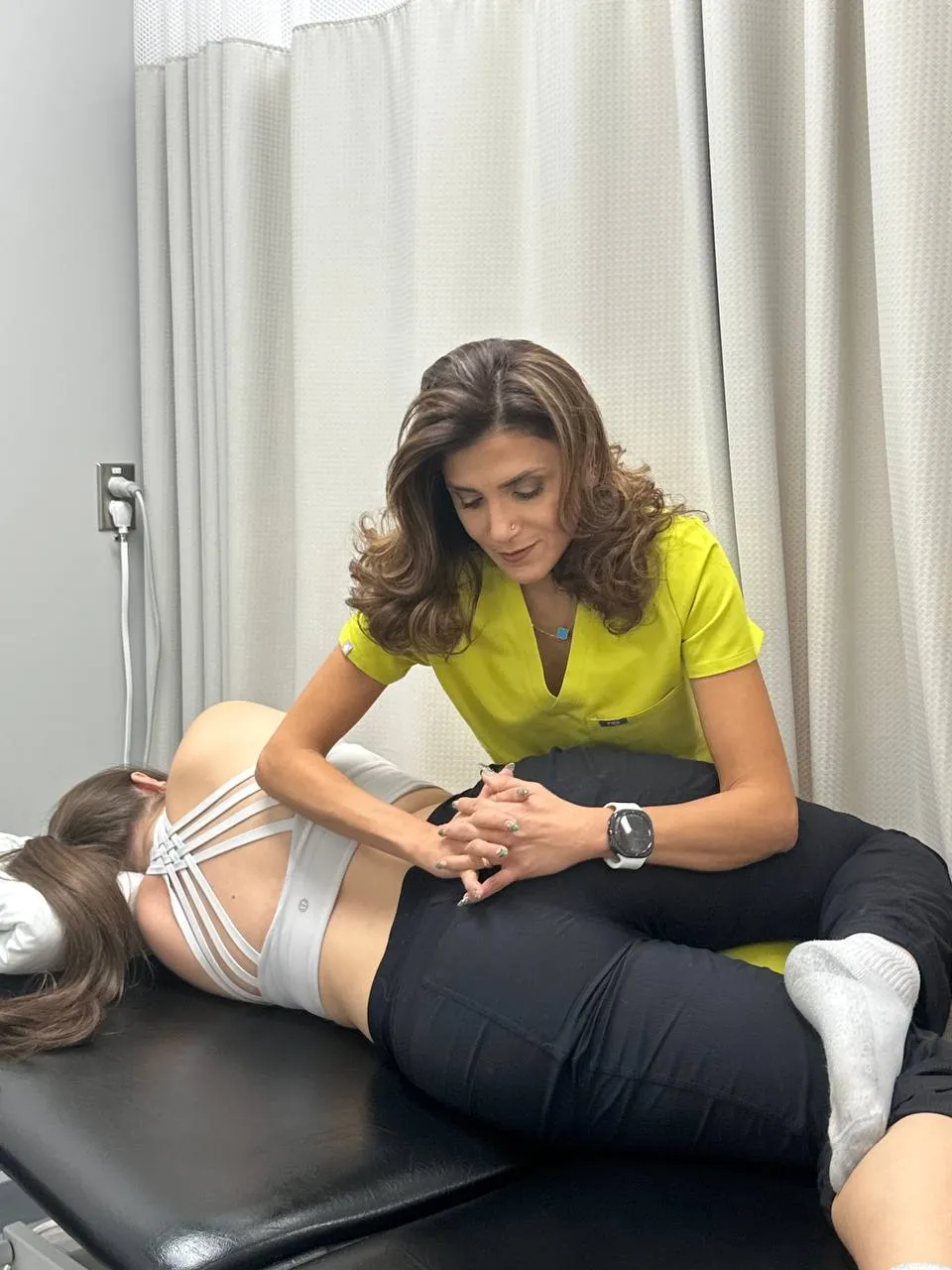
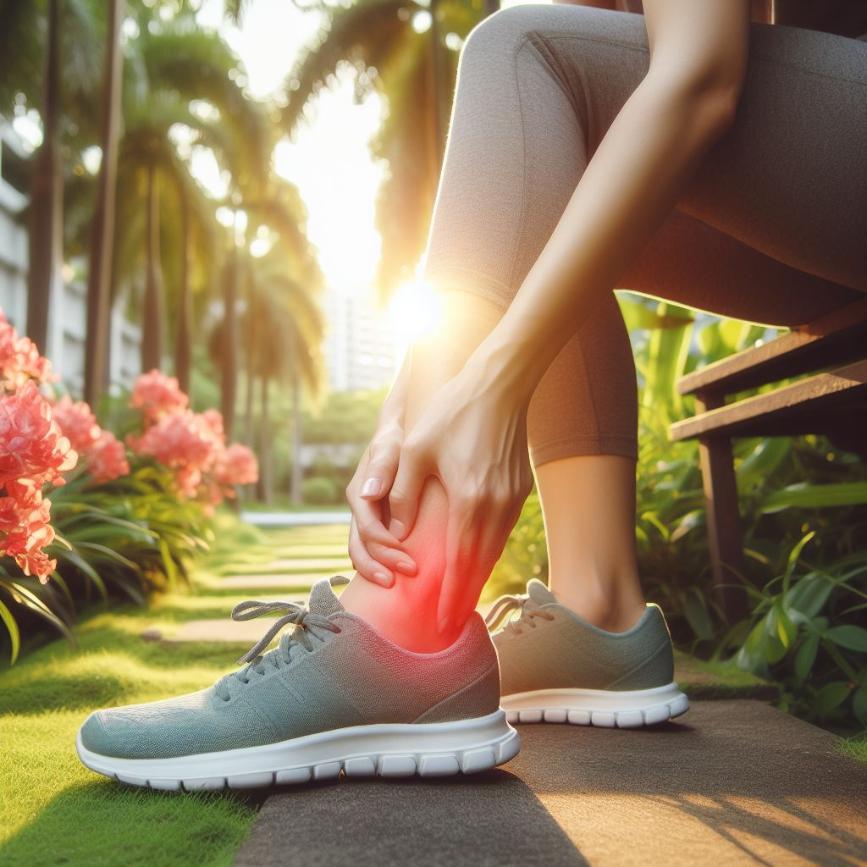
Foot, knee, and back pain can sometimes feel like separate problems, but the body does not move in separate parts. The way your feet contact the ground can affect how your ankles, knees, hips, pelvis, and lower back handle pressure during standing, walking, running, and daily activity. When the feet are not well supported, the effects can sometimes travel upward and contribute to discomfort in other areas.
Custom orthotics are one option that may help support foot mechanics and reduce strain through the lower body. They are not a magic fix for every pain condition, but when used appropriately, they can be an important part of a physiotherapy plan for foot, knee, hip, or back discomfort.
For people in Ottawa who spend long hours standing, walking, working on hard floors, exercising, or dealing with recurring lower-body pain, custom orthotics may help improve comfort and support better movement.
What Are Custom Orthotics?
Custom orthotics are shoe inserts designed specifically for your feet and movement needs. Unlike basic store-bought insoles, custom orthotics are made based on an assessment of your foot structure, walking pattern, pressure points, and symptoms.
They are designed to support the feet, improve alignment, reduce pressure in sensitive areas, and help the lower body move more efficiently.
Custom orthotics may be used for:
- Foot pain
- Heel pain
- Arch pain
- Plantar fasciitis
- Knee pain
- Hip discomfort
- Lower back pain
- Flat feet
- High arches
- Overpronation
- Standing-related fatigue
- Sports or activity-related discomfort
The goal is not to force the body into a perfect position. The goal is to provide the right support where the body needs it.
How Foot Mechanics Affect the Rest of the Body
Every step begins with the foot. When the foot hits the ground, it absorbs force, adapts to the surface, and helps push the body forward. If the foot rolls inward too much, stays too rigid, collapses through the arch, or does not absorb force well, other joints may have to compensate.
For example, excessive inward rolling of the foot can affect how the knee tracks during walking or running. Poor shock absorption can increase stress through the legs and back. Limited foot or ankle movement can change stride length and posture.
Over time, these changes can contribute to discomfort in areas far away from the foot.
This does not mean every knee or back problem is caused by the feet. Pain is often more complex than that. But foot mechanics can be one piece of the puzzle, especially when symptoms are linked to standing, walking, running, or long days on your feet.
How Custom Orthotics May Help Foot Pain
Custom orthotics are commonly used for foot pain because they can help redistribute pressure and support the arch, heel, and midfoot.
They may help with conditions such as:
- Plantar fasciitis
- Heel pain
- Arch pain
- Metatarsal pain
- Flat feet
- High arches
- Achilles tendon irritation
- Foot fatigue
- Pain from prolonged standing
For someone with plantar fasciitis, orthotics may help reduce strain through the plantar fascia by supporting the arch and improving load distribution. For someone with high arches, orthotics may help improve shock absorption. For someone with flat feet, they may help support the foot during walking and reduce excessive strain.
A physiotherapist can help determine whether orthotics are appropriate and how they should fit into the overall treatment plan.
How Custom Orthotics May Support Knee Pain
The knee sits between the foot and hip, which means it is affected by movement from both directions. If the foot rolls inward or the leg rotates during walking or running, the knee may experience increased stress.
Custom orthotics may help reduce knee strain by improving lower-limb alignment and helping the foot move more efficiently.
They may be considered for:
- Patellofemoral pain
- Knee arthritis
- Tendon irritation
- Pain during walking or running
- Knee pain linked to flat feet or overpronation
- Pain that worsens with prolonged standing
For example, someone with kneecap pain may benefit from orthotics if foot posture is contributing to how the knee tracks. Someone with knee arthritis may benefit from improved support and reduced pressure during walking.
However, orthotics are usually most effective when combined with strengthening exercises for the hips, knees, and ankles. Support from the shoe insert can help, but the muscles still need to do their job.
How Custom Orthotics May Help Lower Back Pain
Lower back pain is not always related to the feet, but in some cases, poor foot mechanics can contribute to changes in posture, walking, pelvic movement, and shock absorption. If the body is repeatedly compensating during walking or standing, the lower back may become irritated.
Custom orthotics may help some people with lower back pain by improving support from the ground up. This can be especially relevant when back pain increases with long periods of standing, walking, or working on hard surfaces.
Orthotics may help by:
- Improving shock absorption
- Supporting better foot posture
- Reducing uneven loading
- Helping improve walking mechanics
- Reducing fatigue during standing
- Supporting alignment through the legs and pelvis
That said, back pain usually has several contributing factors. Orthotics may be one part of care, alongside mobility work, strengthening, posture education, and activity modification.
Why Assessment Matters Before Getting Orthotics
Not everyone needs custom orthotics. Some people may do well with footwear changes, strengthening exercises, mobility work, or temporary support. Others may need custom orthotics because their foot structure, symptoms, or activity demands require more specific support.
A proper assessment may include:
- Foot posture
- Arch height
- Ankle mobility
- Walking pattern
- Balance
- Leg alignment
- Shoe wear patterns
- Pain location
- Activity demands
- Work environment
- Sports or exercise habits
This assessment helps determine whether orthotics are likely to help, what type of support is needed, and whether other treatment should be included.
Without assessment, it is easy to choose the wrong insert or rely on orthotics when the real issue is strength, mobility, or movement control.
Custom Orthotics vs. Store-Bought Insoles
Store-bought insoles can help some people, especially if they need mild cushioning or general support. They are easy to access and may provide temporary relief.
Custom orthotics are different because they are designed for the individual. They may be more appropriate when symptoms are persistent, when foot mechanics are more complex, or when a person needs specific support for work, sport, or daily activity.
The difference is not simply “custom is always better.” The right choice depends on the person, the symptoms, and the goal.
Orthotics Work Best With Physiotherapy
Orthotics can support the body, but they do not replace movement, strength, or rehabilitation. Many pain conditions improve best when orthotics are combined with physiotherapy.
A physiotherapy plan may include:
- Foot and ankle strengthening
- Hip and knee strengthening
- Stretching where needed
- Balance exercises
- Gait retraining
- Manual therapy
- Footwear advice
- Activity modification
- Education on gradual return to activity
For example, someone with flat feet and knee pain may need orthotics for support, but they may also need hip strengthening and walking retraining. Someone with heel pain may need orthotics plus calf mobility work and progressive loading exercises.
The combination often matters more than the orthotic alone.
Adjusting to Custom Orthotics
Custom orthotics usually require a break-in period. Wearing them for too long right away can sometimes cause soreness because the body is adapting to a new type of support.
A gradual approach may include wearing them for short periods at first, then slowly increasing use as tolerated. Some people feel better quickly, while others need more time to adjust.
It is also important to wear orthotics in appropriate footwear. If the shoe does not fit properly or does not provide enough structure, the orthotic may not work as intended.
Signs You May Benefit From Custom Orthotics
You may want to ask a physiotherapist about custom orthotics if you have:
- Recurring foot or heel pain
- Pain that worsens with standing or walking
- Knee pain linked to walking or running
- Back pain that increases after long periods on your feet
- Flat feet or high arches with symptoms
- Uneven shoe wear
- Foot fatigue during work
- Pain despite changing shoes
- A history of plantar fasciitis
- Sports-related lower-body discomfort
- Pain that keeps returning after rest
Orthotics are especially worth considering when symptoms seem connected to how your feet handle load.
When Orthotics May Not Be Enough
Custom orthotics may help reduce strain, but they may not solve every problem on their own. If pain is caused mainly by muscle weakness, joint stiffness, nerve irritation, poor training habits, or an injury that needs specific rehabilitation, orthotics may only provide partial relief.
This is why a full treatment plan is important. If symptoms continue despite orthotics, the plan may need to be adjusted.
Footwear Still Matters
Even the best orthotic needs a proper shoe. Shoes that are worn out, too flexible, too narrow, or poorly fitted can reduce the benefit of orthotics.
Supportive footwear can help with:
- Stability
- Shock absorption
- Comfort
- Proper orthotic fit
- Reduced foot fatigue
- Better walking mechanics
A physiotherapist can help recommend what to look for in a shoe based on your needs.
Custom Orthotics for Ottawa Lifestyles
In Ottawa, people deal with many different walking and standing demands. Some work long shifts on hard floors. Some commute, walk downtown, exercise outdoors, or spend winter months navigating snow and uneven surfaces. Others may be recovering from injury, managing arthritis, or trying to stay active with recurring foot or knee pain.
Custom orthotics can be especially helpful when daily routines place repeated stress on the feet and lower body. They can support comfort during walking, working, exercise, and everyday movement.
Final Thoughts
Custom orthotics can support foot, knee, and back pain by improving foot support, reducing pressure, and helping the lower body move more efficiently. They are especially useful when pain is connected to standing, walking, running, or repeated strain through the feet.
However, orthotics work best when they are part of a full physiotherapy plan. Assessment, strengthening, mobility work, footwear advice, and activity guidance all play important roles. If foot, knee, or back pain keeps returning, a physiotherapist can help determine whether custom orthotics are appropriate and how they can fit into a practical recovery plan.