Physiotherapy and massage therapy are often mentioned together because both can help people manage pain, improve movement, and feel better physically. However, they are not the same service, and they do not always address the same problem in the same way.
Many patients are unsure which option is right for them. Some book massage therapy when they need a more detailed rehabilitation plan. Others assume physiotherapy is only for serious injuries, even though it can also help with stiffness, weakness, balance problems, repetitive strain, and chronic pain.
Understanding the difference between physiotherapy and massage therapy can help you choose the right care for your symptoms and recovery goals.
At CN Physiotherapy, we help patients across Ottawa, Orléans, Fallingbrook, Navan, Blackburn Hamlet, Beacon Hill, Cumberland, Nepean, and surrounding communities understand what type of treatment may be most appropriate for their condition.
What Is Physiotherapy?
Physiotherapy focuses on restoring movement, improving physical function, reducing pain, and helping the body recover after injury, illness, surgery, or long-term dysfunction.
A physiotherapist assesses how your body moves and looks for the underlying reason you are experiencing pain, weakness, stiffness, or reduced mobility. Treatment is based on your diagnosis, symptoms, movement patterns, activity level, and personal goals.
Physiotherapy may be recommended for:
- Back and neck pain
- Sports injuries
- Joint pain
- Muscle strains
- Ligament sprains
- Arthritis
- Balance problems
- Dizziness and vertigo
- Recovery after surgery
- Workplace injuries
- Concussion symptoms
- Pelvic floor concerns
- Falls and mobility problems
- Chronic pain
- Repetitive strain injuries
The goal is not simply to make the painful area feel better for a short time. Physiotherapy aims to improve the way your body functions so you can move more comfortably and reduce the chance of the problem returning.
What Is Massage Therapy?
Massage therapy primarily uses hands-on techniques to work with muscles and other soft tissues.
A massage therapist may apply different levels of pressure and movement to help reduce muscle tightness, improve circulation, promote relaxation, and relieve temporary discomfort.
Massage therapy is commonly used for:
- Muscle tension
- General soreness
- Stress-related tightness
- Post-exercise discomfort
- Relaxation
- Soft tissue stiffness
- Mild aches caused by repetitive activity
Many people find massage therapy helpful when their main concern is tight or tired muscles. It can be an excellent part of a broader wellness or recovery routine.
However, massage therapy does not always include the same level of movement assessment, exercise prescription, rehabilitation planning, or functional retraining that physiotherapy provides.
The Main Difference Is the Treatment Goal
The biggest difference between physiotherapy and massage therapy is the purpose behind the treatment.
Massage therapy often focuses on relieving tension and improving comfort in muscles and soft tissue.
Physiotherapy focuses on identifying why the pain or movement problem developed and creating a plan to restore function.
For example, imagine that you have recurring shoulder pain.
A massage may help loosen tight muscles around the shoulder and upper back. You may feel more relaxed and notice temporary relief.
A physiotherapist will look at the shoulder joint, muscle strength, posture, range of motion, neck mobility, work habits, and movement patterns. The goal is to determine whether the pain is related to a rotator cuff problem, shoulder impingement, poor posture, weakness, joint stiffness, or referred pain from the neck.
Both approaches may provide value, but they are addressing the problem from different perspectives.
Physiotherapy Includes a Detailed Physical Assessment
One of the key features of physiotherapy is the assessment process.
Before creating a treatment plan, a physiotherapist may evaluate:
- Joint range of motion
- Muscle strength
- Balance
- Flexibility
- Posture
- Walking pattern
- Coordination
- Pain during movement
- Functional limitations
- Previous injuries
- Work or sport demands
This assessment helps identify the cause of the problem rather than focusing only on the location of the pain.
Pain in one area may be caused by dysfunction somewhere else.
For example, knee pain may be influenced by weakness in the hips, poor foot mechanics, or limited ankle mobility. Shoulder pain may be connected to the neck or upper back. Recurring lower back pain may involve poor core control, restricted hip movement, or unsuitable lifting habits.
A physiotherapy assessment helps connect these factors and create a more complete recovery plan.
Physiotherapy Uses More Than One Treatment Method
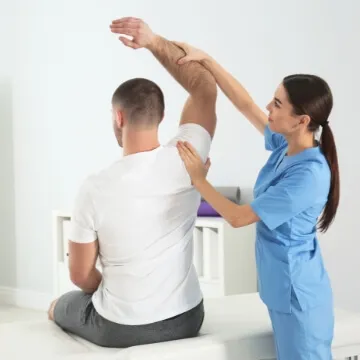
Physiotherapy may include hands-on treatment, but it is not limited to manual techniques.
Depending on your condition, treatment may include:
Therapeutic Exercise
A physiotherapist may prescribe specific exercises to improve strength, flexibility, balance, coordination, and endurance.
These exercises are chosen according to your symptoms and gradually progressed as you recover.
Manual Therapy
Manual therapy uses hands-on techniques to improve joint mobility, reduce stiffness, and treat soft tissue restrictions.
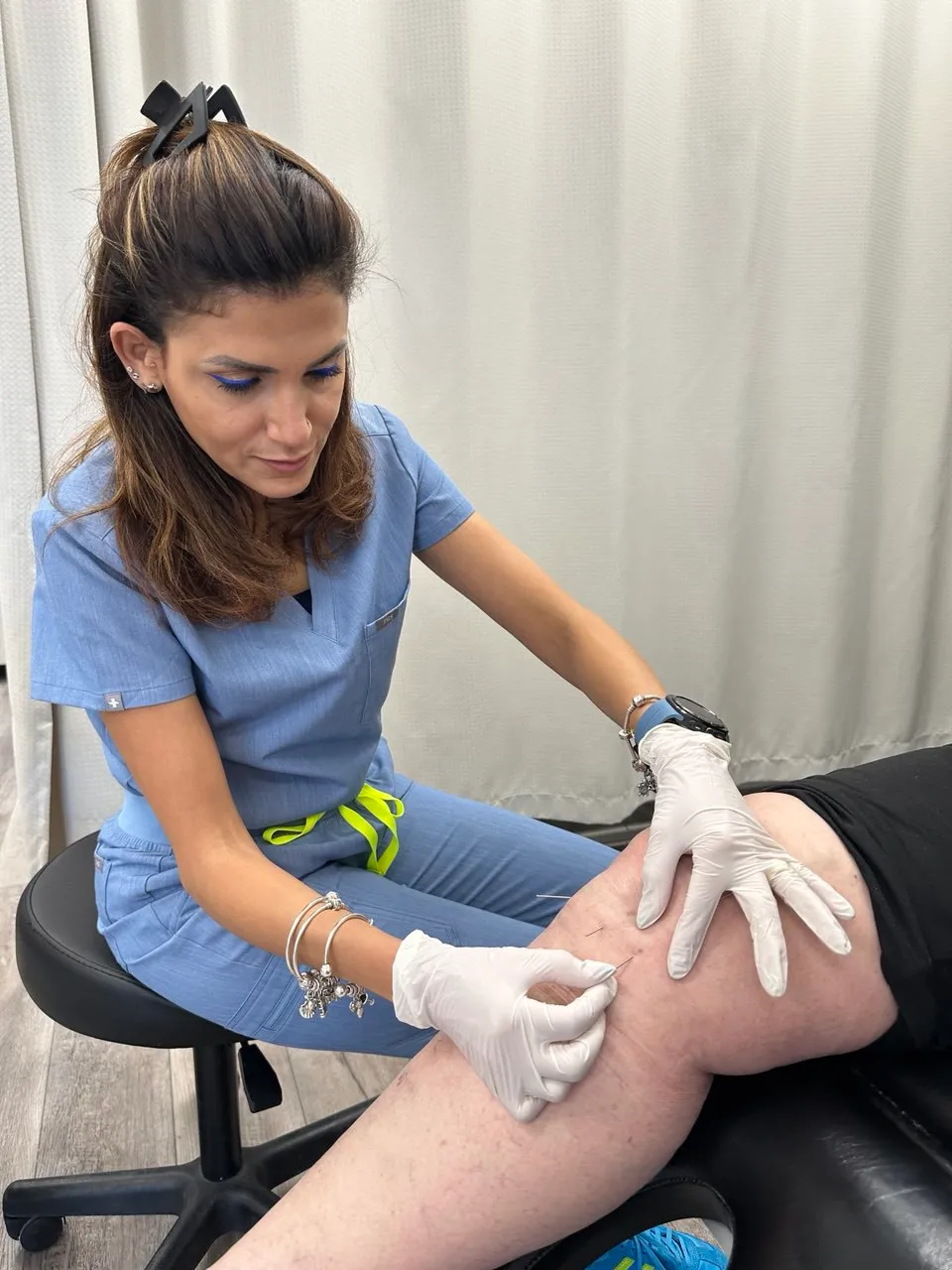
Dry Needling
Dry needling may be used to target muscular tension and trigger points that contribute to pain or reduced movement.
Shockwave Therapy
Shockwave therapy may be considered for certain chronic tendon and soft tissue conditions.
Vestibular Therapy
Patients experiencing dizziness, vertigo, and balance problems may benefit from specialized vestibular rehabilitation.
Education and Movement Retraining
Physiotherapists help patients understand their condition and learn how to move more safely during work, exercise, and everyday activities.
Massage therapy is generally more focused on soft tissue treatment and relaxation. It may be very effective for muscle tension, but it does not usually include the same variety of rehabilitation strategies.
Physiotherapy Is Often Better for Injuries and Functional Problems
Physiotherapy may be the more appropriate first choice when pain is connected to an injury or when your ability to move has changed.
You may benefit from physiotherapy if you are experiencing:
- Difficulty lifting your arm
- Reduced walking tolerance
- Joint instability
- Muscle weakness
- Loss of balance
- Persistent swelling
- Pain after surgery
- Reduced range of motion
- Recurring sports injuries
- Pain that keeps returning
- Difficulty completing work duties
- Fear of falling
These symptoms often require more than temporary soft tissue relief. They may require strengthening, mobility work, movement retraining, balance exercises, or a gradual return-to-activity program.
Massage Therapy May Be Better for General Muscle Tension
Massage therapy may be a good option when the main concern is muscle tightness, fatigue, or stress.
For example, people who sit at a desk for long periods may experience tightness through the neck, shoulders, and upper back. A massage can help reduce muscle tension and improve relaxation.
Similarly, someone who has completed a demanding workout may use massage therapy to relieve general soreness.
However, if the same tightness returns repeatedly, there may be another factor contributing to the problem. Poor posture, muscle weakness, unsuitable workstation setup, or restricted joint movement may need to be addressed through physiotherapy.
Does Physiotherapy Include Massage?
Physiotherapists may use soft tissue techniques that feel similar to massage, but they are usually applied as part of a larger treatment plan.
The purpose is often to:
- Improve movement
- Reduce pain before exercise
- Prepare a joint for mobilization
- Decrease protective muscle tension
- Improve tolerance to rehabilitation
Hands-on treatment may help you feel better, but your physiotherapist will often combine it with exercises and education to create longer-lasting improvement.
This is an important distinction. Physiotherapy usually connects hands-on care with a functional goal.
Can You Receive Both Physiotherapy and Massage Therapy?
Yes. Physiotherapy and massage therapy can sometimes complement each other.
A patient recovering from an injury may use physiotherapy to improve strength, mobility, and function while using massage therapy to reduce general muscle tension.
The important thing is that both treatments support the same overall recovery goal.
For example, a runner with recurring leg pain may receive physiotherapy to correct weakness and movement problems. Massage therapy may also help reduce tightness after training.
Using both services does not mean they are interchangeable. Each has a different role within the recovery process.
Which One Should You Book First?
Physiotherapy may be the better starting point if:
- Your pain began after an injury.
- You have lost strength or movement.
- Your symptoms affect walking or balance.
- The pain keeps returning.
- You are recovering after surgery.
- You are unsure what is causing the problem.
- You need help returning to work or sport.
- You experience dizziness or vertigo.
- You have numbness, weakness, or coordination problems.
- You need a structured rehabilitation plan.
Massage therapy may be appropriate if:
- You mainly want relaxation.
- Your muscles feel generally tight.
- You have mild soreness after exercise.
- You are managing temporary stress-related tension.
- You are looking for soft tissue treatment without a broader rehabilitation need.
When you are uncertain, beginning with a physiotherapy assessment can help clarify the cause of your symptoms and determine what type of care is most suitable.
How Long Do the Results Last?
The duration of relief depends on the condition and the reason the symptoms developed.
Massage therapy may provide immediate relief from tension, but symptoms may return if posture, weakness, repetitive activity, or poor movement mechanics are not addressed.
Physiotherapy aims to create longer-term improvement by treating contributing factors. Results still depend on consistency, participation in home exercises, and following professional recommendations.
Neither service should be viewed as an instant cure. Recovery often requires time, appropriate treatment, and active involvement.
How CN Physiotherapy Can Help
At CN Physiotherapy, our physiotherapists assess the complete picture instead of focusing only on the painful area.
We consider your symptoms, movement, lifestyle, activity demands, medical history, and recovery goals before creating your treatment plan.
Treatment may be designed to help you:
- Reduce pain
- Restore joint mobility
- Improve muscle strength
- Increase balance and stability
- Return to work
- Resume sports or exercise
- Reduce the risk of future injury
- Feel more confident in everyday movement
We proudly help patients throughout Ottawa, Orléans, Fallingbrook, Navan, Blackburn Hamlet, Beacon Hill, Cumberland, Nepean, and nearby communities.
Frequently Asked Questions
Is physiotherapy better than massage therapy?
Neither service is automatically better. The right choice depends on your condition. Physiotherapy is generally more appropriate for injuries, weakness, limited mobility, and rehabilitation. Massage therapy may be more suitable for general muscle tension and relaxation.
Can massage therapy fix an injury?
Massage therapy may help reduce tension and discomfort, but an injury involving joint instability, muscle weakness, balance problems, or movement dysfunction may require physiotherapy.
Can physiotherapy help with tight muscles?
Yes. Physiotherapy can help address tight muscles through manual therapy, stretching, strengthening, movement correction, and education.
Do I need a referral for physiotherapy?
Many patients can contact a physiotherapy clinic directly, although referral and insurance requirements may vary. It is helpful to review the details of your coverage before booking.
What happens during a physiotherapy assessment?
Your physiotherapist will discuss your symptoms and medical history, assess your movement, strength, flexibility, balance, or function, and then create a personalized treatment plan.
Should I get a massage before physiotherapy?
It is not usually necessary. Your physiotherapist will determine what treatment is appropriate after completing your assessment.
Can physiotherapy and massage therapy be used together?
Yes. They may complement each other when both services are coordinated around your recovery goals.
Which treatment is better for back pain?
It depends on the cause. Massage may reduce muscular tightness, while physiotherapy can assess posture, mobility, strength, nerve symptoms, and movement patterns that may contribute to the pain.
Which treatment is better for sports injuries?
Physiotherapy is usually the better starting point because sports injuries often require assessment, rehabilitation exercises, strengthening, and a structured return-to-sport plan.
How do I know which treatment I need?
Consider whether your main concern is general muscle tension or a problem affecting movement and function. A physiotherapy assessment can help identify the cause and guide you toward appropriate care.
Choose Care Based on Your Recovery Needs
Physiotherapy and massage therapy can both play valuable roles in health and recovery, but they are designed to achieve different goals.
Massage therapy is often used to relieve muscle tension, promote relaxation, and improve short-term comfort. Physiotherapy provides a broader rehabilitation approach that may include assessment, exercise, manual treatment, education, and movement retraining.
If pain, weakness, stiffness, dizziness, balance problems, or an injury is affecting your daily life, contact CN Physiotherapy to schedule an assessment. Our team can help you understand the cause of your symptoms and develop a personalized treatment plan to help you move with greater comfort and confidence.