A concussion can affect far more than your head. It may change how you think, sleep, move, work, exercise, and respond to light, noise, or busy environments. Some people experience symptoms immediately after an injury, while others do not notice problems until several hours or days later.
Concussion recovery can also feel unpredictable. You may have a good morning followed by increased symptoms in the afternoon. A short walk may feel manageable one day and exhausting the next. This does not necessarily mean that recovery has stopped. Symptoms often fluctuate as the brain gradually rebuilds tolerance for physical and mental activity.
At CN Physiotherapy, we help patients throughout Ottawa, Orléans, Fallingbrook, Navan, Blackburn Hamlet, Beacon Hill, Cumberland, Nepean, and surrounding communities manage concussion-related symptoms and return safely to daily life.
What Is a Concussion?
A concussion is a mild traumatic brain injury that temporarily affects how the brain functions. It can result from a direct impact to the head or from a forceful blow to the body that causes the brain to move within the skull.
A person does not need to lose consciousness to have a concussion. In fact, many concussions occur without any loss of consciousness. Symptoms may be subtle and can affect physical comfort, concentration, memory, mood, balance, and sleep.
Common causes include:
- Falls
- Sports injuries
- Motor vehicle collisions
- Workplace accidents
- Cycling accidents
- Slips on ice
- Recreational injuries
- A sudden impact to the head or body
Because concussion symptoms can overlap with those of other conditions, anyone suspected of having a concussion should be assessed by an appropriate healthcare professional.
Common Concussion Symptoms
Every concussion is different. One person may mainly experience headaches and dizziness, while another may struggle with concentration, sleep, fatigue, or emotional changes.
Physical Symptoms
Physical symptoms may include:
- Headache
- Dizziness
- Balance problems
- Nausea
- Sensitivity to light
- Sensitivity to noise
- Blurred or double vision
- Fatigue
- Neck pain
- Reduced tolerance for exercise
Cognitive Symptoms
A concussion may affect thinking and memory. You may notice:
- Difficulty concentrating
- Feeling mentally foggy
- Slower thinking
- Forgetfulness
- Difficulty following conversations
- Trouble completing several tasks at once
- Reduced tolerance for reading or screen use
Emotional Symptoms
Some patients experience:
- Irritability
- Anxiety
- Sadness
- Frustration
- Feeling more emotional than usual
- Reduced motivation
Sleep-Related Symptoms
Sleep may also change after a concussion. You may:
- Sleep more than usual
- Sleep less than usual
- Have trouble falling asleep
- Wake frequently
- Feel tired despite sleeping
Symptoms can change throughout recovery, and some may not appear immediately after the injury.
Warning Signs That Require Emergency Care
Most concussion symptoms can be managed through appropriate medical follow-up and gradual rehabilitation. However, certain symptoms may indicate a more serious brain injury.
Seek immediate emergency medical attention if the injured person develops:
- A headache that becomes severe or continues worsening
- Repeated vomiting
- Increasing confusion
- Slurred speech
- Seizures
- Loss of consciousness
- Unusual behaviour
- Increasing drowsiness or difficulty waking
- Weakness or numbness
- One pupil appearing larger than the other
- Significant difficulty walking
- Clear fluid or blood coming from the ears or nose
Do not drive yourself to emergency care if your symptoms could impair your attention, vision, balance, or reaction time.
The First 24 to 48 Hours
The early stage of recovery should focus on relative rest, not complete isolation or total inactivity.
Relative rest means temporarily reducing activities that significantly increase symptoms while still completing basic daily tasks within a tolerable range.
During the first one or two days, you may need to:
- Take time away from work, school, or sports
- Limit demanding screen use
- Avoid strenuous exercise
- Avoid alcohol and recreational drugs
- Avoid activities that could cause another head impact
- Sleep regularly
- Eat nutritious meals
- Stay hydrated
- Complete light activities that do not significantly worsen symptoms
Current guidance does not support spending several days lying in a dark room and avoiding all movement. After approximately 24 to 48 hours, patients are generally encouraged to begin gradually increasing physical and cognitive activity according to symptom tolerance. Prolonged complete rest may slow recovery.
What Does Gradual Recovery Mean?
Concussion rehabilitation is based on gradual exposure.
You begin with activities that produce little or no symptom increase and then slowly build your tolerance. If symptoms rise significantly, the activity may need to be shortened, modified, or temporarily reduced.
A mild, brief increase in symptoms does not always mean you have caused additional injury. It may simply indicate that the activity exceeded your current tolerance.
The recovery process may progress through:
- Basic personal care and quiet household activity
- Short walks and light mental tasks
- Longer periods of reading, screen use, or conversation
- Modified work or school duties
- Moderate exercise
- Full work, school, or non-contact physical activity
- Sport-specific training and eventual return to contact activity when medically cleared
Each person progresses at a different rate. Recovery should be based on symptoms and function rather than a fixed deadline.
How Long Does Concussion Recovery Take?
Many people recover within days or a few weeks. Some require longer, particularly if symptoms are severe, another concussion has occurred previously, or additional physical and mental health concerns are present.
Ontario’s Living Concussion Guidelines advise that most patients experience full recovery and return to their usual activities within approximately one month, although some develop prolonged symptoms.
Factors that may influence recovery include:
- Previous concussions
- Migraine history
- Anxiety or depression
- Sleep problems
- High initial symptom severity
- Neck injuries
- Vestibular or vision problems
- Returning to demanding activity too quickly
- Excessive inactivity
- Limited social support
Patients whose symptoms are not improving after two to four weeks, become worse, or interfere significantly with daily life may benefit from referral to a concussion specialist or interdisciplinary team.
Returning to Work
Returning to work too quickly can increase headaches, fatigue, dizziness, and difficulty concentrating. However, remaining away from work longer than necessary may also create stress and make the eventual return feel more difficult.
A gradual return may include:
- Shorter workdays
- More frequent breaks
- Reduced screen brightness
- A quieter workspace
- Fewer meetings
- Less multitasking
- Temporary reduction of physically demanding tasks
- Avoiding heights, heavy machinery, or driving when symptoms affect safety
- Working from home when appropriate
The plan should be reviewed and adjusted as tolerance improves. Your healthcare provider may provide written recommendations for temporary accommodations.
Returning to Exercise
Light physical activity can often begin after the initial period of relative rest, provided it does not substantially worsen symptoms.
Early activities may include:
- Short walks
- Gentle stationary cycling
- Light mobility exercises
- Controlled breathing exercises
Exercise intensity can increase gradually as symptoms improve.
Activities that involve a risk of falling, collision, or another impact to the head must be avoided until recovery is further advanced and clearance has been provided.
Returning to Sports
Returning to sport should follow a structured progression under healthcare supervision.
A typical progression moves from light aerobic activity to moderate exercise, heavier non-contact activity, practice, and finally competition. Each stage usually lasts at least 24 hours. If symptoms return, the athlete should stop, recover, and resume from the previous tolerated stage after professional guidance.
Returning before the brain has recovered increases the risk of another injury. Athletes should not return to contact practice or competition simply because the headache has disappeared.
Why Dizziness and Balance Problems Occur
The vestibular system in the inner ear helps the brain understand head movement, orientation, and balance. A concussion can disrupt the coordination between the inner ear, eyes, brain, and body.
This may cause:
- Dizziness
- Vertigo
- Unsteadiness
- Motion sensitivity
- Blurred vision during movement
- Difficulty walking in busy environments
- Nausea
- Fear of falling
Some patients may also develop benign paroxysmal positional vertigo following head trauma. This condition causes brief spinning sensations during head-position changes and may respond to specific repositioning techniques.
How Vestibular Therapy Helps
Vestibular rehabilitation is a specialized type of physiotherapy for dizziness and balance problems.
Treatment may include:
- Gaze-stabilization exercises
- Balance training
- Walking exercises
- Habituation to motion
- Positioning maneuvers
- Gradual exposure to visually busy environments
- Fall-prevention strategies
The exercises must be selected carefully. Performing random dizziness exercises without knowing the cause may aggravate symptoms.
Ontario’s concussion guidelines include specific sections for vestibular, balance, and vision dysfunction because these symptoms may require targeted assessment and rehabilitation.
Vision Problems After a Concussion
A concussion may affect the coordination of the eyes and brain. Patients may have trouble:
- Reading
- Following moving objects
- Shifting focus
- Looking between near and distant objects
- Using screens
- Tolerating bright or visually busy spaces
These problems can contribute to headaches, nausea, fatigue, and difficulty returning to work or school.
A physiotherapist may screen eye movements and recommend further assessment when specialized vision care is needed.
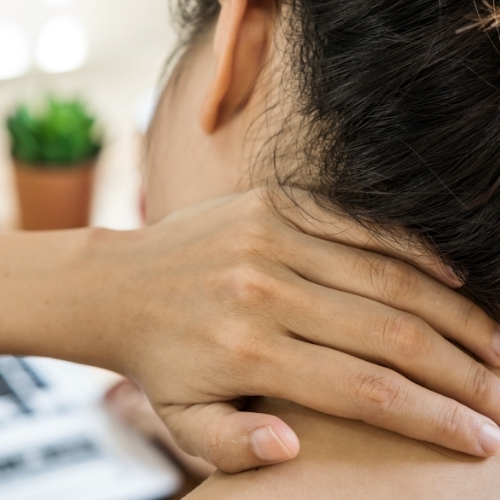
Neck Pain and Headaches
A concussion may occur alongside a neck injury, especially after a collision, fall, or sudden acceleration and deceleration.
Neck muscles and joints can contribute to:
- Headaches
- Dizziness
- Reduced range of motion
- Shoulder discomfort
- Difficulty sleeping
- Pain during desk work or driving
Treatment may include manual therapy, posture education, gentle mobility exercises, and progressive strengthening.
Headaches should be carefully assessed because concussion-related headaches may have multiple contributors, including the neck, migraine features, sleep disruption, visual strain, or physical exertion.
Cognitive Pacing
Mental activity uses energy. During concussion recovery, activities such as reading, working on a computer, solving problems, or holding long conversations may trigger symptoms.
Cognitive pacing involves breaking demanding tasks into manageable periods.
A useful approach may include:
- Completing one task at a time
- Scheduling short breaks
- Reducing distractions
- Limiting long meetings
- Alternating mental and physical tasks
- Gradually increasing screen time
- Stopping before symptoms become severe
The aim is not to avoid thinking. It is to rebuild mental endurance gradually.
Sleep and Concussion Recovery
Healthy sleep supports recovery, concentration, mood, and energy.
Helpful habits include:
- Maintaining a consistent sleep and wake time
- Reducing bright screens before bed
- Avoiding caffeine later in the day
- Keeping the bedroom quiet and comfortable
- Using daytime naps carefully so they do not disrupt nighttime sleep
- Discussing persistent sleep problems with a healthcare provider
Do not begin sleep medication or supplements without professional advice.
Mental Health During Recovery
Concussion symptoms may make a person feel isolated, frustrated, anxious, or discouraged. Reduced ability to work, exercise, drive, socialize, or participate in sport can affect emotional wellbeing.
Mental health symptoms should be taken seriously. Speak with a healthcare provider if you experience:
- Persistent anxiety
- Ongoing sadness
- Panic
- Loss of interest
- Hopelessness
- Major personality changes
- Difficulty coping with symptoms
Anxiety and depression may make adjustment and recovery more difficult, and treatment may be needed alongside physical rehabilitation.
Common Mistakes That May Delay Recovery
Complete Rest for Too Long
Avoiding all physical and mental activity beyond the early stage may reduce conditioning and make normal activities harder to resume.
Returning to Sport Too Soon
Feeling better at rest does not mean the brain is ready for contact, competition, or unpredictable movement.
Ignoring Neck and Balance Symptoms
Headaches and dizziness may require targeted treatment rather than time alone.
Pushing Through Severe Symptoms
Repeatedly provoking major symptom flare-ups can make activity difficult to progress.
Expecting a Perfectly Linear Recovery
Recovery often includes better and worse days. Progress should be judged over time rather than by one difficult afternoon.
How Physiotherapy Supports Concussion Recovery
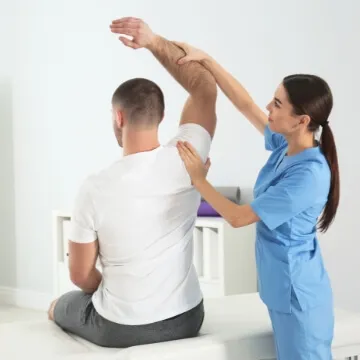
Concussion physiotherapy begins with an assessment of the symptoms affecting your daily function.
Your physiotherapist may examine:
- Balance
- Walking
- Neck movement
- Strength
- Eye and head coordination
- Exercise tolerance
- Motion sensitivity
- Posture
- Ability to perform functional tasks
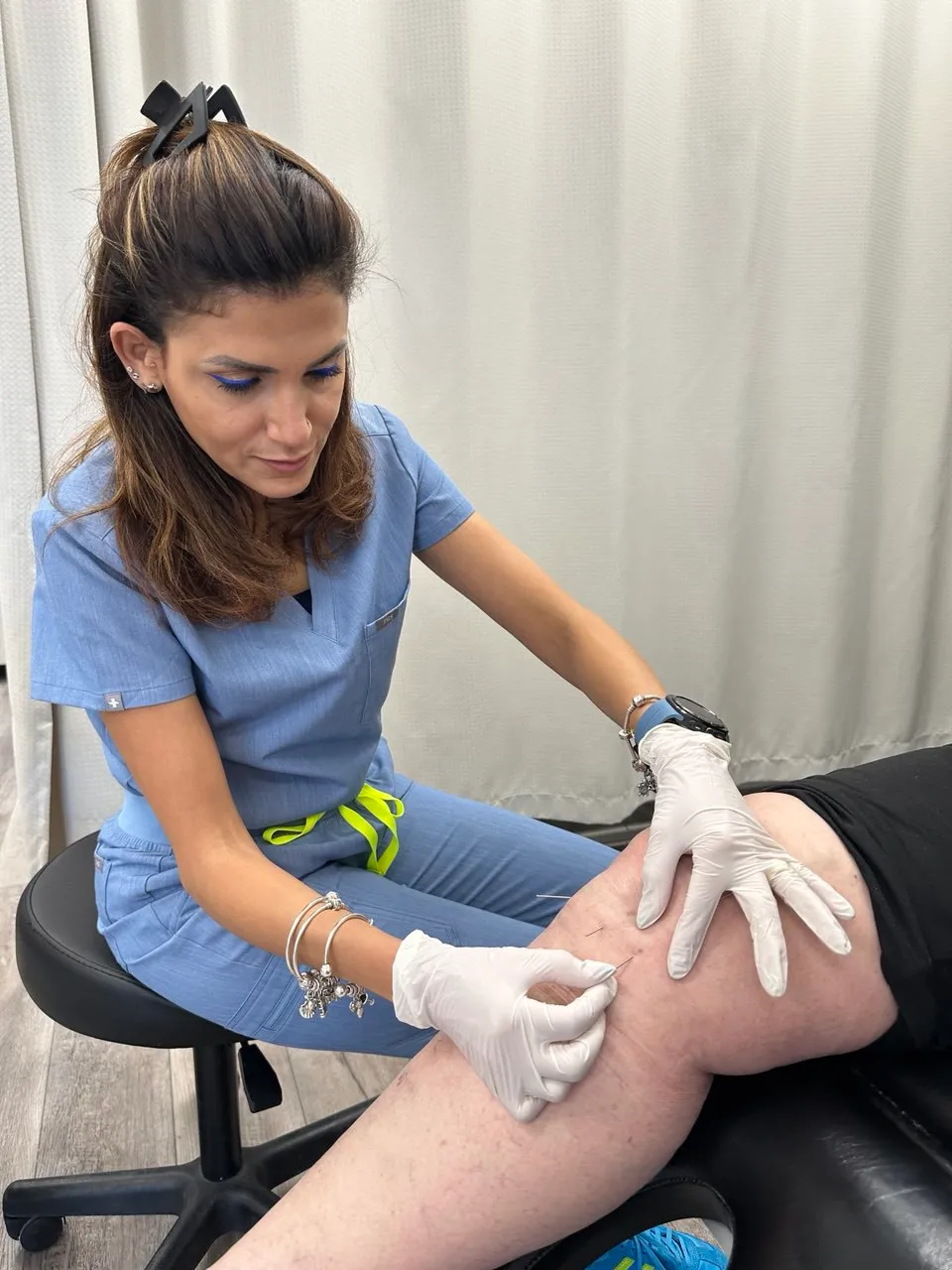
Treatment may include:
- Vestibular rehabilitation
- Balance exercises
- Gaze-stabilization training
- Neck treatment
- Aerobic exercise progression
- Strength and endurance exercises
- Return-to-work planning
- Return-to-sport preparation
- Education about pacing and symptom management
The treatment plan should be individualized rather than based on a standard protocol for every patient.
Frequently Asked Questions
Can I sleep after a concussion?
Yes. Sleep is important for recovery. However, the injured person should first be appropriately assessed, particularly if warning signs are present.
Should I avoid screens completely?
Not necessarily. Screens may need to be limited during the first days if they significantly worsen symptoms. They can then be reintroduced gradually according to tolerance.
Can I exercise with a concussion?
Light activity may begin after the initial 24 to 48 hours when tolerated. High-risk, strenuous, or contact activities require professional guidance and gradual progression.
Can physiotherapy help headaches after a concussion?
It may help when headaches are influenced by the neck, posture, physical exertion, vestibular dysfunction, or movement limitations. Other headache types may require additional medical care.
Why do grocery stores make me dizzy?
Busy visual environments require the eyes, brain, and vestibular system to process large amounts of movement. After a concussion, this coordination may be temporarily impaired.
When can I drive again?
Driving should be avoided when symptoms affect vision, concentration, reaction time, balance, or decision-making. Ask your healthcare provider for individualized guidance.
What are prolonged concussion symptoms?
Symptoms that continue beyond the expected recovery period may be described as prolonged or persistent. Ontario’s patient guidelines use the term prolonged symptoms when they last longer than one month.
Can a concussion occur without hitting your head?
Yes. A strong force to the body may cause rapid head and brain movement even without direct contact to the skull.
Do I need an MRI?
Concussions often do not appear on standard structural imaging. Imaging may be ordered when healthcare providers are concerned about bleeding, fracture, or another serious injury.
Can I return to sport once I feel normal?
Return to sport requires a graduated process and healthcare clearance. Feeling normal at rest is only one part of recovery.
Begin Your Concussion Recovery Safely
A concussion should never be ignored, but recovery does not require fear or complete inactivity. After appropriate medical assessment and a brief period of relative rest, most patients benefit from a gradual return to physical, mental, work, school, and recreational activities.
At CN Physiotherapy, we provide individualized concussion rehabilitation for patients experiencing headaches, dizziness, balance difficulties, neck pain, visual sensitivity, reduced exercise tolerance, and challenges returning to daily life.
We proudly serve Ottawa, Orléans, Fallingbrook, Navan, Blackburn Hamlet, Beacon Hill, Cumberland, Nepean, and surrounding communities.
If you or a loved one is recovering from a concussion, contact CN Physiotherapy to request an assessment and receive a structured recovery plan based on your symptoms, goals, and current abilities.