Living with arthritis can change the way you approach almost every part of your day. Getting out of bed may take longer because your joints feel stiff. Stairs may become uncomfortable. Walking through a store, carrying groceries, gardening, exercising, or spending time with family may require more planning than before.
Over time, arthritis can make people feel as though their world is becoming smaller. They may stop participating in activities because they expect pain, worry about damaging their joints, or believe that declining mobility is unavoidable.
Arthritis is a long-term condition, but that does not mean you must give up the activities that matter to you. With appropriate education, exercise, pacing, medical management, and physiotherapy support, many people can reduce symptoms, improve movement, and remain active.
At CN Physiotherapy, we help patients throughout Ottawa, Orléans, Fallingbrook, Navan, Blackburn Hamlet, Beacon Hill, Cumberland, Nepean, and surrounding communities manage arthritis with individualized treatment plans.
What Is Arthritis?
Arthritis is not one single disease. It is a broad term used for conditions that affect the joints and surrounding tissues.
The most common symptoms include:
- Joint pain
- Stiffness
- Swelling
- Reduced range of motion
- Weakness around the joint
- Difficulty completing everyday activities
Different types of arthritis affect the body in different ways.
Osteoarthritis develops as structures within the joint change over time. Rheumatoid arthritis is an autoimmune condition in which the immune system attacks joint tissues. Gout involves the formation of uric acid crystals within a joint, while other inflammatory forms may be associated with conditions such as psoriasis or lupus. (Mayo Clinic)
Because treatments differ according to the type of arthritis, a proper medical diagnosis is important.
Understanding Osteoarthritis
Osteoarthritis is the most common type of arthritis. It frequently affects the knees, hips, spine, hands, and other joints that experience repeated use or weight-bearing stress.
People often describe osteoarthritis as simple “wear and tear,” but the condition is more complex. It can involve cartilage, bone, muscles, ligaments, and other structures surrounding the joint.
Symptoms may include:
- Aching during or after activity
- Stiffness after rest
- Morning stiffness
- Swelling
- Grinding or clicking
- Reduced flexibility
- Difficulty walking or using stairs
- Pain during daily tasks
Osteoarthritis can develop slowly, although symptoms may sometimes become noticeable after an injury or period of increased activity. Reduced movement may then lead to muscle weakness and further difficulty performing physical tasks. (World Health Organization)
Although osteoarthritis cannot currently be reversed, its symptoms and effect on daily life can often be managed. Treatment commonly focuses on reducing pain, improving function, and helping the individual maintain independence. (Arthritis Society Canada)
The Fear of Movement
One of the most difficult parts of living with arthritis is deciding how much to move.
When a joint hurts, the natural reaction is often to protect it. You may begin avoiding stairs, walking less, resting more, or asking other people to complete physical tasks.
A short period of rest may be appropriate during a significant flare, especially if the joint is hot, swollen, or unusually painful. However, long periods of inactivity may create additional problems.
Too little movement can contribute to:
- Muscle weakness
- Greater stiffness
- Reduced balance
- Lower endurance
- Loss of confidence
- Increased difficulty completing daily tasks
Physical activity is widely recommended as part of arthritis management because it can reduce pain and stiffness, improve mobility, strengthen the muscles supporting the joints, and improve general health. (Arthritis Society Canada)
The challenge is not deciding whether movement matters. It is learning how to move at the right level for your body.
Exercise Does Not Automatically Damage Arthritic Joints
Many people worry that exercise will cause more joint damage.
A new or challenging activity may produce temporary soreness, but discomfort does not always mean harm has occurred. The amount, intensity, and type of exercise must be appropriate for your current ability.
A properly designed exercise plan may help support the joint by improving muscle strength and movement control. Stronger muscles can absorb more force and reduce some of the demand placed directly on the painful joint.
The Arthritis Society Canada identifies physical activity as one of the most effective strategies for improving mobility and reducing arthritis-related pain. It also recommends increasing activity gradually and adjusting exercises when symptoms remain unusually aggravated after activity. (Arthritis Society Canada)
How Physiotherapy Helps People With Arthritis
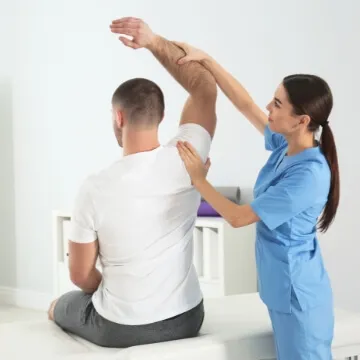
Physiotherapy focuses on helping you move as comfortably, safely, and independently as possible.
Your physiotherapist does not treat only the painful joint. They may also assess surrounding muscles, nearby joints, balance, walking, posture, and the activities that are most important to you.
A physiotherapy assessment may include:
- Joint range of motion
- Muscle strength
- Balance
- Walking pattern
- Swelling
- Flexibility
- Stair movement
- Ability to stand from a chair
- Work or recreational demands
Based on these findings, your physiotherapist can develop a personalized treatment plan.
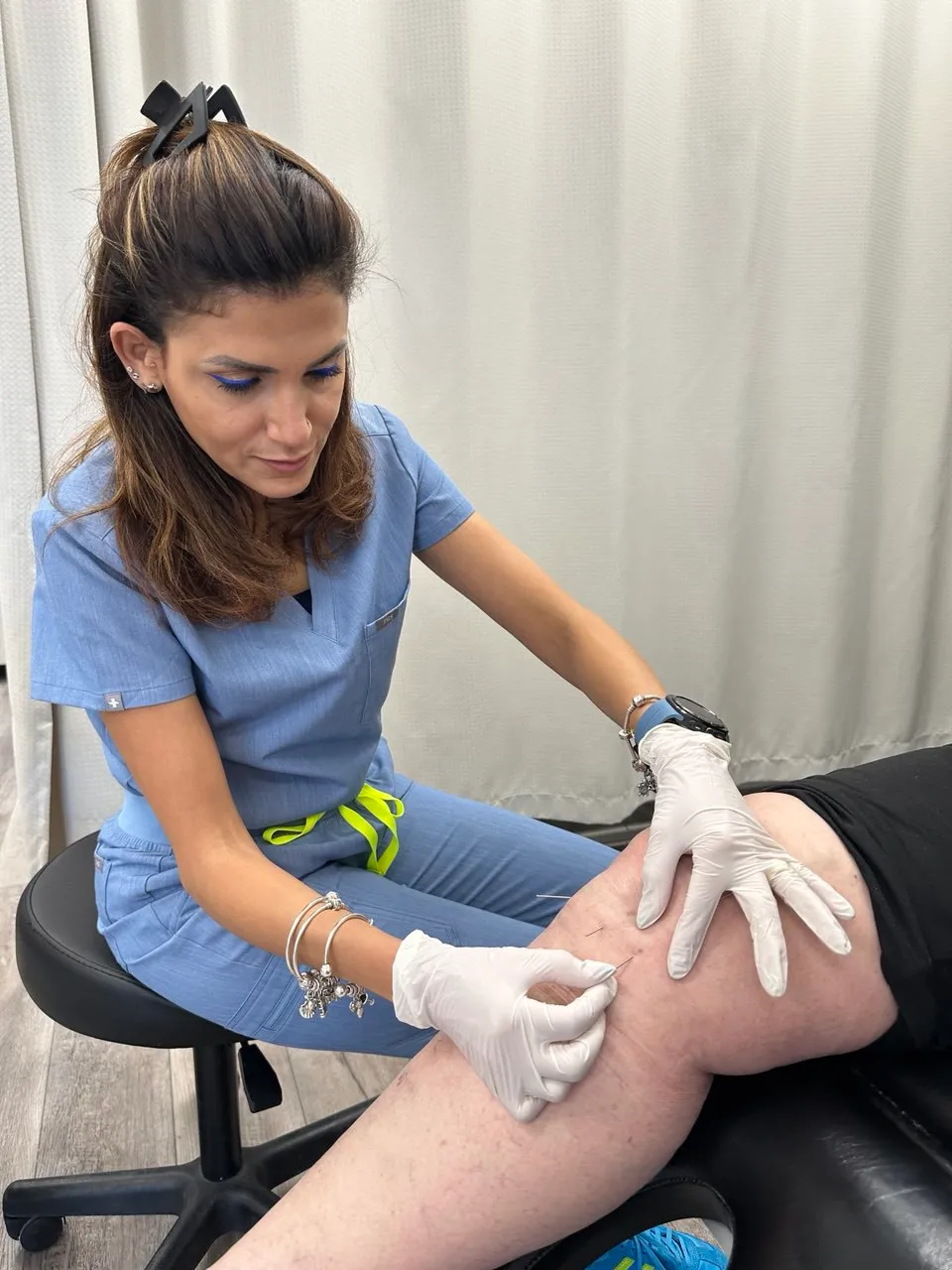
Physiotherapy programs for osteoarthritis may help improve strength, flexibility, range of motion, mobility, and exercise tolerance. Physiotherapists may also provide advice about pain management, orthotics, braces, joint protection, and activity modification. (Arthritis Society Canada)
Therapeutic Exercise
Therapeutic exercise is one of the most important parts of arthritis rehabilitation.
The exercises are selected according to the affected joint, your current ability, and the tasks you want to improve.
A program may include several types of movement.
Range-of-Motion Exercises
These exercises help joints move through an available range and may reduce stiffness.
They can be particularly useful in the morning or after sitting for a long period.
Strengthening Exercises
Strengthening the muscles around an arthritic joint may improve support and stability.
For example, strengthening the thigh, hip, and calf muscles may help someone with knee osteoarthritis walk and use stairs more comfortably.
Endurance Exercise
Walking, cycling, swimming, and other aerobic activities can improve cardiovascular health, energy, and physical endurance.
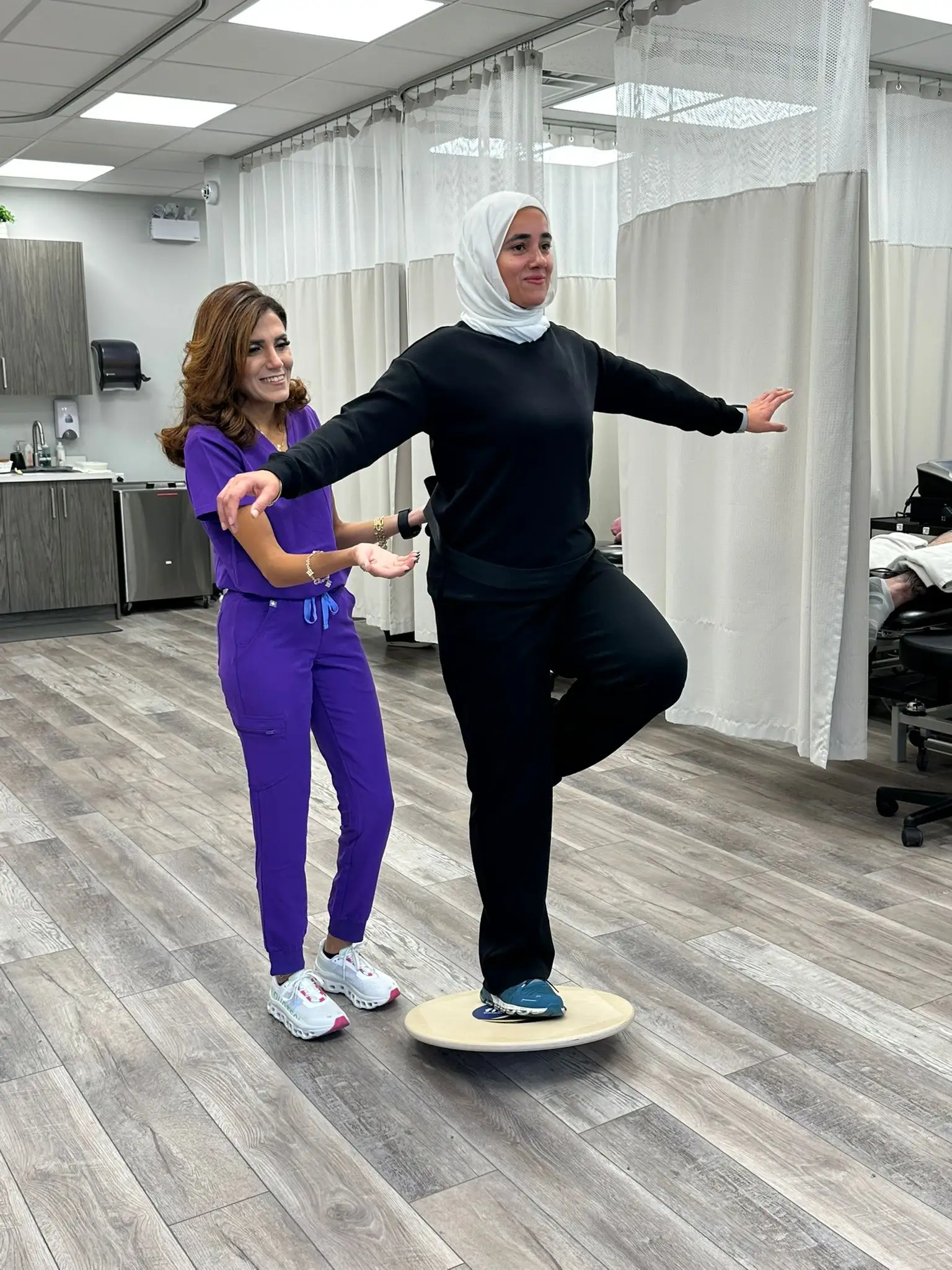
Balance and Coordination Exercises
Balance training may be important for older adults or anyone who feels unstable because of pain, weakness, or reduced mobility.
For hip and knee osteoarthritis, exercise programs may include aerobic activity, strengthening, neuromuscular training, and flexibility work. (Arthritis Society Canada)
Start With What You Can Manage
You do not need to begin with long workouts.
For someone who has been inactive because of pain, five or ten minutes of movement may be an appropriate starting point. Short sessions can be spread throughout the day.
The goal is to build consistency rather than doing too much at once.
Helpful starting activities may include:
- Short walks
- Gentle stationary cycling
- Chair exercises
- Light resistance-band exercises
- Water-based exercise
- Controlled mobility movements
Low-impact activities such as walking, swimming, water exercise, cycling, tai chi, and light gardening can be joint-friendly options. (CDC)
Your physiotherapist can help determine which activities are suitable and how quickly they should be progressed.
Learning to Pace Your Activities
People with arthritis often fall into a cycle of doing too much on a good day and then needing several days to recover.
Pacing helps prevent this pattern.
Rather than completing one large task without stopping, divide it into smaller sections. Alternate demanding activities with lighter ones, and take planned breaks before symptoms become severe.
For example, instead of completing several hours of gardening at once, you might:
- Work for a shorter period
- Change positions frequently
- Use tools with comfortable handles
- Alternate standing and seated tasks
- Complete the project over several days
Pacing is not the same as giving up. It is a strategy for preserving energy and protecting your ability to participate consistently.
Managing Arthritis Flare-Ups
A flare-up is a temporary increase in symptoms such as pain, swelling, stiffness, fatigue, or reduced movement.
During a flare, you may need to reduce the intensity or duration of your activities. A hot, swollen, or inflamed joint may require more rest, although gentle range-of-motion exercise may still be appropriate. (Arthritis Society Canada)
A flare does not necessarily mean your overall condition is rapidly worsening.
Useful strategies may include:
- Reducing activity temporarily
- Continuing gentle movement
- Using heat or cold as advised
- Prioritizing sleep
- Following medication instructions
- Returning gradually to exercise
Contact your healthcare provider if the flare is unusually severe, persistent, or different from your normal symptoms.
Managing Weight-Bearing Joint Pain
Arthritis in the hips, knees, ankles, or feet can make walking and standing particularly difficult.
Your physiotherapist may assess whether changes in strength, footwear, balance, or walking mechanics are adding stress to the painful joint.
Treatment may include:
- Hip and knee strengthening
- Walking retraining
- Balance exercises
- Orthotic recommendations
- Mobility aids
- Activity modification
For some people, reducing excess body weight may also reduce stress on weight-bearing joints. This should be approached with realistic goals and support from appropriate healthcare professionals rather than extreme dieting or complete avoidance of activity.
The GLA:D™ Program for Hip and Knee Osteoarthritis
People with hip or knee osteoarthritis may benefit from a structured education and exercise program such as GLA:D™ Canada.
The program combines education about osteoarthritis with targeted neuromuscular exercise under the supervision of a trained healthcare professional.
The goal is to help participants:
- Better understand osteoarthritis
- Improve movement quality
- Strengthen supporting muscles
- Increase confidence
- Manage symptoms more effectively
- Remain physically active
CN Physiotherapy offers the GLA:D™ Program for appropriate patients with hip or knee osteoarthritis.
An initial assessment helps determine whether the program is suitable for your symptoms, current mobility, and health needs.
Joint Protection in Daily Life
Small changes can make everyday tasks more manageable without eliminating activity.
Examples include:
- Using both hands to carry heavier objects
- Sliding objects instead of lifting when practical
- Using supportive footwear
- Keeping commonly used items within easy reach
- Choosing chairs that are easier to stand from
- Alternating repetitive tasks
- Avoiding prolonged kneeling or squatting when painful
- Using handrails on stairs
Joint protection is not about avoiding all stress. Joints and muscles still need movement. The goal is to reduce unnecessary strain while maintaining function.
Sleep, Stress, and Arthritis Pain
Arthritis pain is not influenced only by the joint itself.
Poor sleep may increase fatigue and make discomfort harder to manage. Stress can increase muscle tension and reduce motivation to stay active. Pain may then interfere with sleep, creating a difficult cycle.
A comprehensive plan may include:
- Regular sleep and wake times
- Gentle activity during the day
- Relaxation or breathing exercises
- Pacing demanding tasks
- Discussing persistent mood or sleep concerns with a healthcare provider
Addressing sleep and emotional wellbeing does not mean the pain is psychological. It means recognizing all the factors that affect how pain is experienced and managed.
When Arthritis Symptoms Require Medical Attention
Arthritis commonly causes ongoing pain and stiffness, but certain symptoms should be assessed promptly.
Contact a healthcare provider if you experience:
- A suddenly hot, red, and swollen joint
- Fever with joint pain
- Severe pain after a fall
- Inability to bear weight
- Sudden loss of movement
- Rapidly worsening swelling
- New numbness or weakness
- Symptoms that are significantly different from your usual arthritis pattern
A hot and swollen joint may be caused by an inflammatory flare, gout, or infection. These conditions require proper medical evaluation rather than exercise alone.
Frequently Asked Questions
Can arthritis be cured?
Some forms of arthritis can be managed very effectively, but many are long-term conditions. Osteoarthritis currently has no cure, although symptoms and function can often be improved through exercise, education, weight management when appropriate, medication, and professional care. (Arthritis Society Canada)
Should I exercise when my joints hurt?
Gentle movement is often beneficial, but the activity should match your symptoms. If a joint is hot, significantly swollen, or unusually painful, the exercise may need to be modified.
Is walking good for arthritis?
Walking can be helpful for many people because it supports mobility, endurance, and general health. Begin with a manageable duration and increase gradually.
Can physiotherapy reduce arthritis pain?
Physiotherapy may help improve strength, mobility, flexibility, balance, and activity tolerance. These changes can reduce symptoms and make daily activities easier.
What exercises are best for arthritis?
The right exercises depend on the affected joints, type of arthritis, current strength, and medical history. A balanced program may include mobility, strengthening, endurance, and balance exercises.
Is stiffness in the morning normal?
Morning stiffness is common in several types of arthritis. The duration and severity may help healthcare providers distinguish between different conditions.
Can I continue gardening or playing sports?
Many people can continue valued activities with modifications. Your physiotherapist can help adjust technique, duration, intensity, and recovery.
Should I rest during a flare-up?
You may need to reduce demanding activity, particularly when the joint is swollen or hot. Complete inactivity is not always necessary, and gentle range-of-motion movements may still be appropriate.
Can arthritis affect my balance?
Yes. Pain, stiffness, weakness, and reduced joint movement may affect stability. Balance exercises and strengthening may help.
Is surgery inevitable?
No. Many people manage arthritis without surgery. Surgery is generally considered when symptoms are severe and have not improved adequately with conservative care. (Arthritis Society Canada)
Take Back Control of Your Movement
Arthritis may change how you move, but it does not have to remove every activity you enjoy.
With the right combination of education, therapeutic exercise, pacing, symptom management, and professional support, you can work toward better strength, mobility, confidence, and independence.
At CN Physiotherapy, we create individualized arthritis treatment plans for patients throughout Ottawa, Orléans, Fallingbrook, Navan, Blackburn Hamlet, Beacon Hill, Cumberland, Nepean, and surrounding communities.
Whether you are managing knee osteoarthritis, hip stiffness, hand pain, reduced balance, or difficulty completing daily activities, our physiotherapy team can help you develop practical strategies for moving more comfortably.
Contact CN Physiotherapy to request an assessment and take the next step toward a more active life.