
Sciatica can make ordinary movement feel intimidating. Pain may begin in the lower back or buttock and travel into the thigh, calf, foot, or toes. Some people describe a burning sensation, while others experience an electric-shock feeling, tingling, numbness, or weakness in one leg.
The symptoms may worsen while sitting, driving, bending, lifting, coughing, or getting out of bed. For adults living in Ottawa, Orléans, Fallingbrook, Navan, Blackburn Hamlet, Beacon Hill, Cumberland, and Nepean, sciatica can interfere with commuting, working, exercising, sleeping, and completing basic household activities.
The encouraging news is that many cases can improve without surgery. Physiotherapy may help reduce symptoms, restore movement, rebuild strength, and guide a safe return to normal activity. The specific treatment must be based on the cause of the nerve irritation and the way your symptoms respond to movement.
What Is Sciatica?
Sciatica is not a disease by itself. It is a term used to describe symptoms caused by irritation or compression affecting the nerve roots that form the sciatic nerve.
The sciatic nerve begins in the lower spine and travels through the buttock and down the leg. When one of its contributing nerve roots becomes irritated, symptoms may appear anywhere along that pathway.
Sciatica commonly affects only one side of the body. Pain can vary from a mild ache to sharp, burning, or electrical discomfort. Numbness, tingling, and muscle weakness may also occur in the leg or foot.
What Causes Sciatica?
One of the most common causes is a herniated disc in the lower back. A disc sits between each spinal bone and helps absorb force. If part of a disc bulges or moves outward, it may place pressure on a nearby nerve root.
Other possible causes include:
- Age-related spinal changes
- Bone spurs
- Narrowing around the nerve roots
- Repetitive lifting or twisting
- Prolonged sitting
- A traumatic injury
- Less commonly, another medical condition placing pressure on a nerve
Risk factors may include prolonged sitting, jobs involving heavy lifting or twisting, reduced physical activity, excess stress on the spine, and some medical conditions that affect nerve health.
What Does Sciatica Feel Like?
Sciatica does not feel the same for everyone.
Common symptoms include:
- Lower-back pain with leg pain
- Buttock pain
- Burning down the back or side of the leg
- Tingling or pins and needles
- Numbness in the leg, foot, or toes
- Weakness in the affected leg
- Pain that worsens while sitting
- Symptoms aggravated by coughing or sneezing
- Difficulty standing or walking comfortably
Some people experience severe leg pain with very little back pain. Others mainly feel numbness, tightness, or weakness.
Because several conditions can create similar symptoms, a professional assessment is important before assuming every pain that travels into the leg is sciatica.
Can Physiotherapy Help?
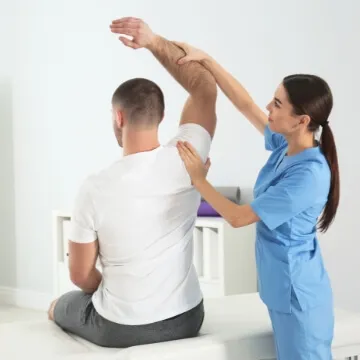
Physiotherapy may help many people with sciatica, particularly when treatment is individualized and based on the person’s symptoms, movement limitations, strength, and daily demands.
A physiotherapist does not simply give every patient the same group of back stretches. The assessment is used to determine which movements reduce symptoms, which positions aggravate the nerve, whether weakness is present, and how the condition is affecting normal function.
Treatment may help by:
- Reducing sensitivity around the irritated nerve
- Improving lower-back and hip mobility
- Restoring strength
- Improving posture and movement habits
- Gradually increasing walking and activity tolerance
- Teaching safer ways to bend and lift
- Reducing fear of movement
- Helping prevent repeated episodes
Physical therapy programs for sciatica commonly include posture correction, core strengthening, and exercises intended to improve range of motion.
What Happens During a Sciatica Assessment?
At your first appointment, your physiotherapist will ask about when the symptoms began, where the pain travels, and which activities make it better or worse.
The assessment may include:
- Lower-back range of motion
- Hip movement
- Leg strength
- Reflexes
- Sensation
- Walking pattern
- Balance
- Nerve mobility
- Sitting and standing tolerance
- Functional tasks such as bending or squatting
Your physiotherapist may also ask about your work, exercise routine, previous injuries, sleep, driving habits, and medical history.
These details help determine whether physiotherapy is appropriate or whether additional medical assessment is needed.
Exercise for Sciatica
Exercise is often an important part of treatment, but the correct exercise depends on how your symptoms respond.
A movement that helps one person may aggravate another. This is why randomly following an online stretching routine may not always be helpful.
A personalized exercise program may include:
Gentle Mobility Exercises
Controlled movement can help reduce stiffness and improve tolerance to everyday positions.
Core Strengthening
The abdominal, back, and pelvic muscles help support the spine during lifting, walking, sitting, and exercise.
Strengthening these areas may improve movement control and reduce repeated strain.
Hip and Leg Strengthening
Weakness in the hips or legs may affect how force is distributed during daily activity. Exercises may be used to rebuild strength once symptoms allow.
Nerve Mobility Exercises
In some cases, gentle nerve-gliding movements may be prescribed to improve the nerve’s tolerance to movement.
These must be performed carefully. Aggressive stretching may increase symptoms if the nerve is already sensitive.
Walking
Short, regular walks may be more helpful than remaining inactive for long periods. Activity can be gradually increased as symptoms improve.
General guidance for sciatica encourages people to remain active where possible and avoid extended periods of sitting or lying down.
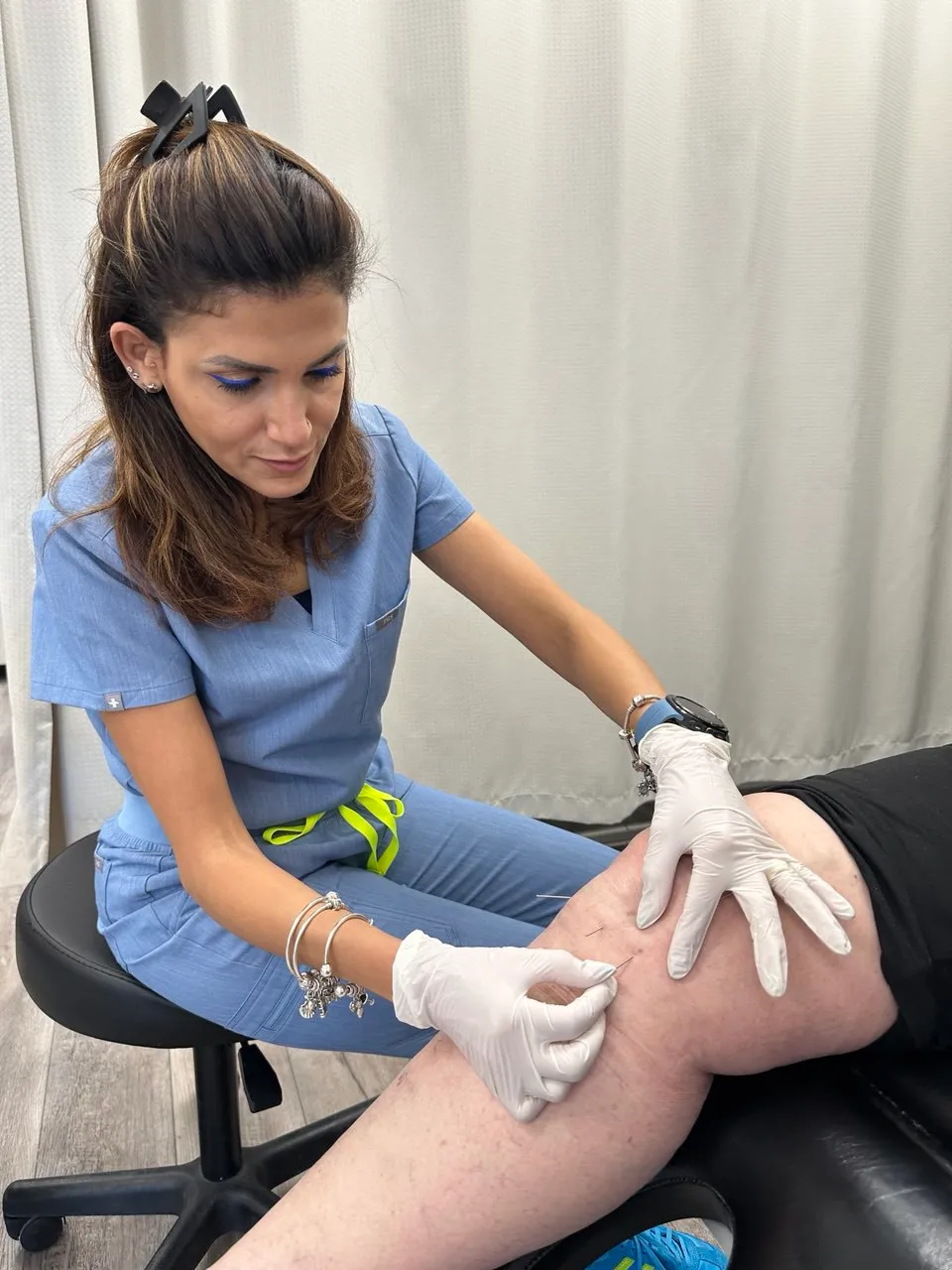
Manual Therapy
Manual therapy may be included when joint stiffness or muscular tension is contributing to symptoms.
A physiotherapist may use hands-on techniques to improve movement in the lower back, hips, or surrounding soft tissues.
Manual therapy may make movement more comfortable, but it is usually most effective when combined with exercise, education, and activity progression.
The goal is not simply to provide temporary relief. It is to help you regain the ability to move independently and confidently.
Is Bed Rest Helpful?
A brief period of reduced activity may feel necessary during a severe flare-up. However, staying in bed or avoiding all movement for an extended period can lead to greater stiffness, weakness, and reduced tolerance to activity.
Guidance from major healthcare sources recommends staying active as much as symptoms allow. Prolonged inactivity may make recovery more difficult.
This does not mean pushing through severe pain. It means finding tolerable ways to move while temporarily modifying activities that clearly worsen symptoms.
What Activities Should Be Modified?
During the early stages of sciatica, you may need to adjust activities involving:
- Heavy lifting
- Repeated bending
- Twisting while carrying weight
- Long periods of driving
- Prolonged sitting
- High-impact exercise
- Deep forward bending
- Sudden increases in training
Your physiotherapist can help you modify these tasks rather than avoiding them indefinitely.
As symptoms improve, activities are gradually reintroduced so that your body can rebuild capacity.
Does Every Case Require an MRI?
No. Many people do not need imaging before beginning conservative treatment.
A physical examination and detailed symptom history may provide enough information to begin an appropriate plan. Imaging may be considered when symptoms are severe, worsening, not improving after several weeks, or associated with significant weakness or other concerning signs.
MRI can identify disc and nerve changes, but imaging findings must be interpreted alongside the patient’s symptoms. Not every spinal change seen on an image is responsible for pain.
How Long Does Sciatica Take to Improve?
Recovery time varies considerably.
Some people improve within several weeks, while others require a few months. The timeline depends on:
- The cause of the nerve irritation
- Symptom severity
- Whether weakness or numbness is present
- How long the symptoms have existed
- Work and activity demands
- General health
- Participation in rehabilitation
Sciatica associated with a herniated disc often improves over weeks to months, although severe cases require closer medical management.
Improvement is not always perfectly steady. You may have better and worse days during recovery. A temporary flare-up does not necessarily mean additional damage has occurred.
Can Physiotherapy Help Prevent Sciatica From Returning?
No treatment can guarantee that sciatica will never return, but physiotherapy can help address factors that may contribute to repeated episodes.
Prevention strategies may include:
- Improving core and hip strength
- Increasing movement variety
- Changing prolonged sitting habits
- Improving lifting technique
- Gradually increasing exercise
- Adjusting workstation ergonomics
- Maintaining regular physical activity
- Learning how to respond to early symptoms
Good sitting support, regular exercise, and safer lifting habits may help protect the lower back.
When Sciatica Requires Urgent Medical Attention
Most sciatica is not a medical emergency. However, certain symptoms require immediate assessment.
Seek urgent medical care if you experience:
- Loss of bladder or bowel control
- Numbness around the groin or saddle area
- Sudden or rapidly worsening leg weakness
- Loss of feeling in the leg
- Severe symptoms after a traumatic injury
- Difficulty walking because of major weakness
- Symptoms affecting both legs with neurological changes
Loss of bladder or bowel control and serious leg weakness may indicate severe nerve compression that requires urgent treatment.
Common Mistakes That Can Delay Recovery
Stretching Aggressively
People often assume that leg pain means the hamstrings are tight. Strong stretching may place more tension on an irritated nerve and aggravate symptoms.
Remaining Completely Inactive
Avoiding movement can reduce strength and increase stiffness.
Returning to Heavy Activity Too Quickly
Feeling slightly better does not always mean the spine and nerve are ready for full lifting, running, or physical work.
Ignoring Weakness
Pain may fluctuate, but progressive weakness requires professional assessment.
Treating Only the Painful Leg
The symptoms may be felt in the leg, but the source of the irritation is often in the lower back. Treatment should consider the entire movement system.
How CN Physiotherapy Can Help
At CN Physiotherapy, treatment begins with a detailed assessment rather than a one-size-fits-all exercise sheet.
We examine how your lower back, hips, legs, and nervous system are functioning. We also consider your work, sitting habits, exercise routine, and the activities you want to return to.
Your treatment plan may include:
- Therapeutic exercise
- Manual therapy
- Mobility work
- Core and hip strengthening
- Nerve mobility exercises
- Ergonomic advice
- Walking and activity progression
- Education about symptom management
- A gradual return to work or recreation
We help patients throughout Ottawa, Orléans, Fallingbrook, Navan, Blackburn Hamlet, Beacon Hill, Cumberland, Nepean, and surrounding communities manage sciatica and return to more comfortable movement.
Frequently Asked Questions
Can physiotherapy cure sciatica?
Physiotherapy cannot promise an instant cure, but it may help reduce symptoms, improve movement, restore strength, and address factors contributing to nerve irritation.
Should I walk when I have sciatica?
Short, tolerable walks are often encouraged. Avoid forcing yourself through severe or rapidly worsening symptoms.
Is sitting bad for sciatica?
Prolonged sitting may aggravate symptoms for some people. Changing positions regularly and improving seating support may help.
Can stretching make sciatica worse?
Yes. Aggressive or unsuitable stretching may increase nerve irritation. Exercises should be selected according to your symptoms.
Is heat or ice better?
Both may provide temporary relief. Cold may feel helpful during an acute flare, while heat may reduce muscular tension. Use whichever is comfortable and protect your skin.
Can sciatica cause foot numbness?
Yes. Sciatica may cause numbness, tingling, or weakness in the foot or toes, depending on which nerve root is affected.
Do I need surgery?
Most people do not require surgery. Surgery is generally considered when there is severe weakness, loss of bladder or bowel control, or persistent pain that does not improve with other treatment.
Can sciatica affect both legs?
It can, although symptoms more commonly affect one side. Symptoms in both legs, especially with bladder, bowel, or saddle-area changes, require urgent medical assessment.
How often should I do my exercises?
Your physiotherapist will recommend a frequency based on the type of exercise and your symptom response. More is not always better.
When should I book physiotherapy?
Consider an assessment when symptoms are limiting normal activities, worsening, repeatedly returning, or not improving after a short period of self-management.
Take the First Step Toward Sciatica Relief
Sciatica can be painful, but staying afraid of movement or waiting indefinitely for symptoms to disappear may not be the best approach. With a proper assessment and personalized rehabilitation plan, many people can gradually reduce pain, rebuild strength, and return to work, exercise, and everyday life.
If pain, numbness, tingling, or weakness is travelling from your lower back or buttock into your leg, contact CN Physiotherapy to request an appointment. Our physiotherapy team can assess your symptoms, identify the movements affecting the nerve, and develop a recovery plan suited to your individual needs.