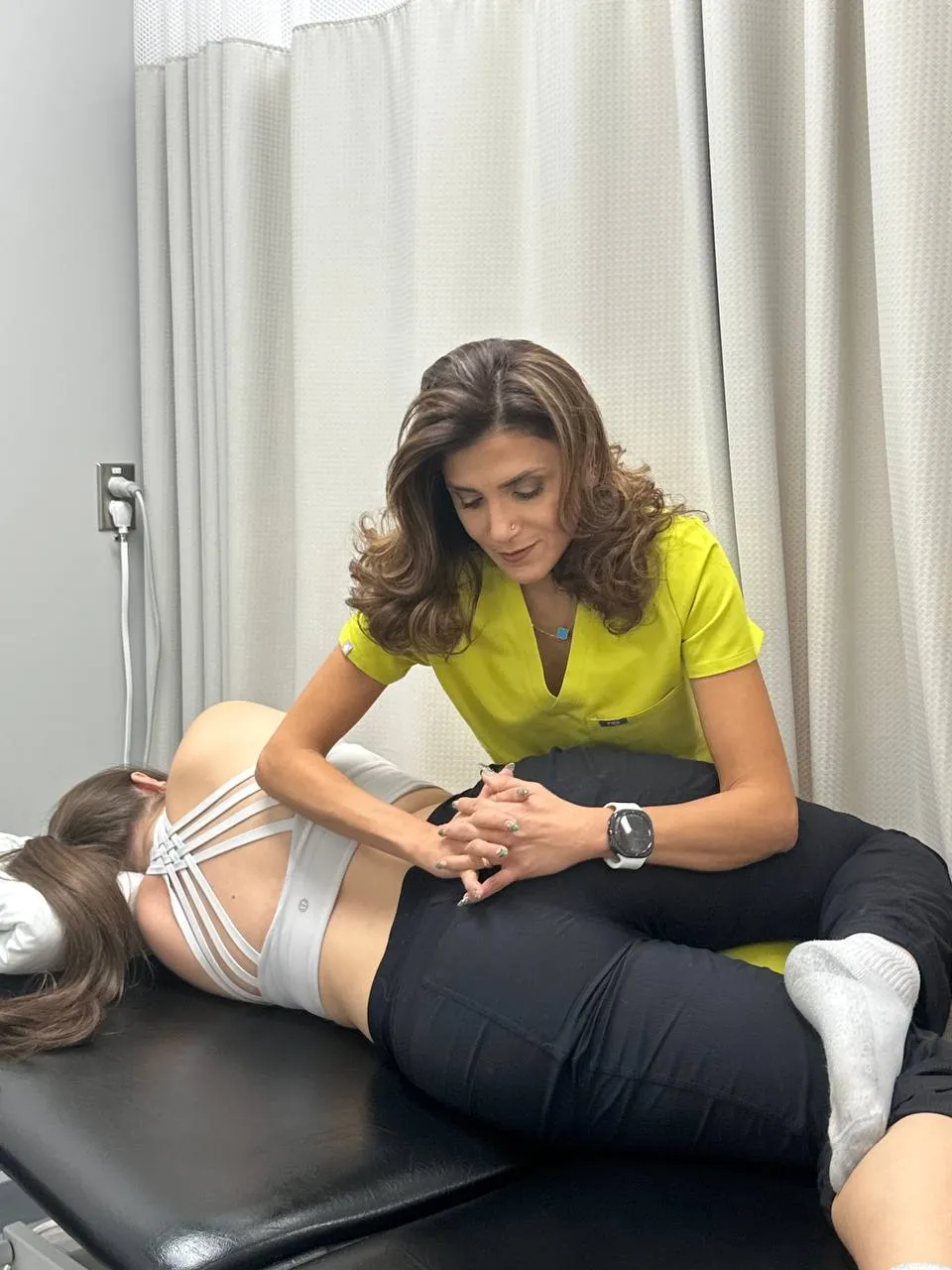

Leg pain can be confusing. Sometimes the problem starts exactly where you feel it, such as in the hip, knee, calf, or foot. Other times, the pain may actually be coming from the lower back, even if the back itself does not feel very painful. One common reason this happens is sciatica, a condition where irritation or pressure around the sciatic nerve can cause symptoms that travel from the lower back into the buttock, hip, leg, or foot.
For many people in Ottawa, sciatica can affect work, walking, driving, sitting, sleeping, and daily movement. The pain may feel sharp and sudden, or it may build gradually over time. It can also come and go, making it easy to ignore at first. Understanding the signs of sciatica can help you know when leg pain may be connected to your lower back and when physiotherapy may be helpful.
What Is Sciatica?
Sciatica is a term often used to describe pain that travels along the path of the sciatic nerve. The sciatic nerve is the largest nerve in the body. It begins in the lower back, travels through the buttock, and continues down the back of the leg toward the foot.
When this nerve or the nerve roots that form it become irritated, compressed, or inflamed, symptoms can travel away from the spine and into the leg. This is why someone may feel pain in the thigh, calf, or foot even though the source of the issue may be in the lower back.
Sciatica is not always the exact diagnosis by itself. It is more like a pattern of symptoms. A physiotherapist can help assess what may be causing the nerve irritation and create a treatment plan based on the individual situation.
Common Sciatica Symptoms
Sciatica symptoms can vary from mild discomfort to intense pain. Some people feel symptoms mainly in the buttock, while others feel pain travelling all the way down the leg.
Common symptoms may include:
- Pain that starts in the lower back or buttock and travels down the leg
- Sharp, shooting, burning, or electric-like pain
- Tingling or “pins and needles” in the leg or foot
- Numbness in part of the leg or foot
- Pain that worsens when sitting
- Pain when bending, lifting, twisting, or coughing
- Weakness in the leg or foot
- Tightness through the hip, hamstring, or calf
- Difficulty standing, walking, or driving comfortably
Sciatica usually affects one side of the body, but symptoms can sometimes be more complex depending on the cause.
When Leg Pain May Be Coming From the Lower Back
One of the biggest clues that leg pain may be related to the lower back is that the pain follows a travelling pattern. For example, the pain may begin near the lower back or buttock and move into the back of the thigh, calf, or foot.
Another clue is that certain back positions change the leg symptoms. Sitting, bending forward, lifting something from the floor, or standing for long periods may make the pain worse. In some cases, walking or changing positions may reduce the discomfort.
Leg pain may be coming from the lower back if:
- The pain travels below the buttock
- You feel tingling, numbness, or burning
- Sitting increases the pain
- Bending or lifting makes symptoms worse
- The pain changes when your back position changes
- You feel symptoms in a line down the leg
- You have lower back stiffness along with leg pain
- The pain feels nerve-like rather than muscle soreness
Not every leg pain is sciatica. Hip issues, muscle strains, knee problems, circulation concerns, and other conditions can also cause leg pain. That is why assessment matters.
What Causes Sciatica?
Sciatica can happen for several reasons. In many cases, the nerve becomes irritated because of changes in the lower back or surrounding tissues.
Common causes may include:
A disc irritation or disc bulge can place pressure near a nerve root in the lower back. This can lead to pain, tingling, or numbness into the leg.
Spinal stiffness or joint irritation can affect how the lower back moves and may contribute to nerve sensitivity.
Muscle tension around the hips and pelvis can sometimes increase discomfort around the sciatic nerve pathway.
Poor lifting habits, repetitive bending, prolonged sitting, and weak core or hip muscles may contribute to symptoms over time.
Age-related changes in the spine can also narrow the space around nerves, which may cause leg symptoms during standing or walking.
In some cases, sciatica starts after a specific incident, such as lifting something heavy, twisting awkwardly, or falling. In other cases, it develops slowly from repeated strain.
Why Sitting Can Make Sciatica Worse
Many people with sciatica notice that sitting makes their symptoms worse. This can happen because sitting changes the position of the lower back and may increase pressure around irritated tissues.
Long periods of sitting can also reduce movement through the hips and spine, making the area feel stiff and sensitive. For Ottawa workers who spend many hours at a desk, in a vehicle, or working from home, this can become a daily problem.
If sitting increases leg pain, it may help to change positions more often, use better lumbar support, avoid slouching, and take short walking breaks. However, if symptoms continue, physiotherapy can help identify why sitting is triggering the pain and what exercises or adjustments may help.
How Physiotherapy Can Help With Sciatica
Physiotherapy can help by assessing the lower back, hips, nerve mobility, strength, posture, and movement patterns. The goal is to understand what is contributing to the symptoms and create a plan that reduces pain while improving function.
A physiotherapy plan for sciatica may include:
- Lower back mobility exercises
- Nerve mobility exercises
- Gentle stretching
- Core strengthening
- Hip and glute strengthening
- Manual therapy
- Posture and sitting advice
- Lifting and movement education
- Walking and activity guidance
- A home exercise plan
Treatment should be based on the person’s symptoms. Some exercises that help one person may not help another. For example, some people feel better with extension-based movements, while others need a different approach. A proper assessment helps guide the right plan.
Exercises Are Usually Part of Recovery
When sciatica is painful, it can be tempting to avoid movement completely. Rest may help during a short flare-up, but too much rest can sometimes make stiffness and weakness worse.
The right exercises can help calm symptoms, improve mobility, and rebuild support around the lower back and hips. These exercises usually start gently and progress as symptoms improve.
Physiotherapy exercises may focus on:
- Improving comfortable lower back movement
- Reducing nerve sensitivity
- Strengthening the muscles that support the spine
- Improving hip mobility
- Building tolerance for walking, sitting, bending, and lifting
The goal is not to push through severe pain. The goal is to move in a controlled way that supports recovery.
Manual Therapy and Pain Relief
Manual therapy may be used to help reduce stiffness and improve movement in the lower back, hips, or pelvis. This can include gentle joint mobilization, soft tissue work, or other hands-on techniques.
Manual therapy may help reduce pain temporarily and make it easier to exercise. However, long-term improvement usually comes from combining hands-on treatment with active rehabilitation, education, and better movement habits.
Sciatica and Work Life in Ottawa
Sciatica can affect many types of workers. Office workers may struggle with sitting. Drivers may feel pain during longer commutes. Healthcare workers, tradespeople, warehouse workers, and active jobs may notice pain with bending, lifting, or standing. Parents may feel symptoms when lifting children, carrying groceries, or doing household tasks.
Because sciatica can affect daily life in different ways, treatment should match the person’s routine. A physiotherapy plan should help you return to the things you actually need to do, whether that means sitting comfortably at work, walking longer distances, exercising, or lifting safely.
When Should You See a Physiotherapist?
You may want to see a physiotherapist if your leg pain:
- Travels from the lower back or buttock into the leg
- Lasts more than a few days
- Keeps returning
- Gets worse with sitting, bending, or lifting
- Causes tingling or numbness
- Makes walking, standing, or driving difficult
- Interferes with sleep
- Limits work or daily activities
- Does not improve with gentle movement and rest
Early treatment can often help prevent symptoms from becoming more persistent.
Warning Signs That Need Medical Attention
Most sciatica symptoms can be assessed and treated with conservative care, but some symptoms should be taken seriously.
Seek urgent medical attention if you experience:
- Loss of bladder or bowel control
- Numbness in the groin or saddle area
- Sudden severe weakness in the leg
- Symptoms after a major fall or accident
- Fever, unexplained weight loss, or severe night pain
- Pain that is rapidly worsening
These signs may suggest something more serious and should not be ignored.
Can Sciatica Go Away?
Many cases of sciatica improve with the right care, time, and activity changes. Recovery depends on the cause, severity, lifestyle, and how long the symptoms have been present.
Some people improve quickly, while others need a longer rehabilitation plan. The key is to avoid guessing. If the pain keeps coming back or affects daily life, assessment can help identify what is driving the symptoms and what steps may support recovery.
Preventing Future Sciatica Flare-Ups
Once symptoms improve, prevention becomes important. Physiotherapy can help you understand how to reduce future flare-ups by improving strength, mobility, posture, and movement habits.
Helpful prevention strategies may include:
- Taking regular movement breaks during long sitting periods
- Strengthening the core, hips, and glutes
- Learning safer lifting techniques
- Improving flexibility where needed
- Keeping active with walking or low-impact exercise
- Avoiding sudden increases in activity without preparation
- Adjusting your workstation or car seat if sitting triggers pain
The best prevention plan is one that fits your routine and is easy to maintain.
Final Thoughts
Leg pain does not always mean the problem is in the leg. If your pain travels from the lower back or buttock into the thigh, calf, or foot, sciatica may be involved. Symptoms such as tingling, numbness, burning, or shooting pain can be signs that the sciatic nerve or related nerve roots are irritated.
Physiotherapy can help identify the cause of your symptoms, reduce pain, improve movement, and build strength to support long-term recovery. For people in Ottawa dealing with leg pain that may be coming from the lower back, getting assessed early can make it easier to return to work, walking, exercise, and everyday life with more comfort.