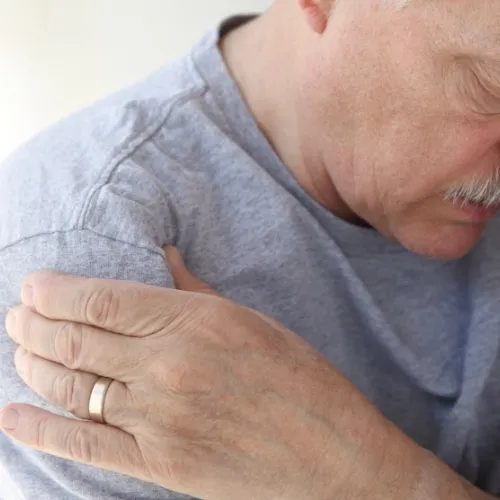
A sudden pull during exercise, a painful step on uneven ground, or discomfort after lifting something heavy may leave you wondering whether you have a simple muscle strain or a more serious injury.
Soft-tissue injuries are common among athletes, active adults, workers, and people completing everyday tasks. While many mild injuries improve with appropriate care, similar symptoms can also result from ligament tears, tendon injuries, fractures, joint damage, or nerve problems.
Recognizing the warning signs and receiving an accurate assessment can help you avoid aggravating an injury and support a safer return to work, exercise, and daily activity.
What Is a Soft-Tissue Injury?
Soft tissues are the structures that support, connect, and move the body. They include:
- Muscles
- Tendons
- Ligaments
- Fascia
- Joint capsules
A soft-tissue injury may happen suddenly during a fall, collision, awkward movement, or forceful activity. It can also develop gradually when a tissue is repeatedly loaded without enough time to recover.
The Better Health Channel explains that soft-tissue injuries may be acute or chronic. A strain affects a muscle or tendon, while a sprain affects a ligament or joint capsule. Better Health Channel
What Is a Muscle Strain?
A muscle strain, sometimes called a pulled muscle, occurs when muscle fibres or an attached tendon are overstretched or torn.
Strains commonly affect the:
- Hamstrings
- Calf muscles
- Quadriceps
- Groin
- Lower back
- Neck
- Shoulders
- Biceps
Muscle strains may occur during sports, lifting, reaching, running, slipping, or changing direction. They can also develop gradually because of repetitive work, poor load management, muscle fatigue, or insufficient recovery.
According to HealthLink BC, muscle strains can range from minor overstretching to a severe tear involving a muscle or tendon. HealthLink BC
What Does a Muscle Strain Feel Like?
Symptoms depend on the location and severity of the injury. Common signs include:
- Pain during or immediately after an activity
- Tenderness when touching the area
- Pain when stretching the muscle
- Pain when contracting the muscle
- Swelling or bruising
- Muscle tightness or spasms
- Weakness
- Reduced movement
- Difficulty walking, lifting, or completing usual activities
A mild strain may feel like tightness or soreness. A more significant injury may produce sharp pain, considerable bruising, and an immediate loss of strength.
Different Levels of Muscle Strain
Muscle strains are often described using three general grades.
Grade 1: Mild Strain
A small number of muscle fibres may be overstretched or damaged. Pain is generally mild, and the muscle can still function, although movement may feel uncomfortable.
Grade 2: Partial Tear
A greater number of fibres are damaged. Symptoms may include moderate pain, swelling, bruising, weakness, and difficulty using the injured area.
Grade 3: Complete Tear
The muscle or tendon may be completely ruptured. There may be severe pain at the time of injury, significant weakness, a visible gap or deformity, and an inability to use the muscle normally.
Interestingly, pain may sometimes decrease after a complete rupture because the torn tissue is no longer under tension. A sudden reduction in pain should not be interpreted as recovery when strength and function remain significantly limited.
Is It a Strain or a Sprain?
Strains and sprains can cause similar symptoms, but they affect different structures.
A strain affects a muscle or tendon. It often occurs when a muscle is stretched too far or contracts forcefully.
A sprain affects a ligament, which connects one bone to another and helps stabilize a joint. Sprains frequently affect the ankle, knee, wrist, or thumb.
Signs more commonly associated with a sprain include:
- Pain concentrated around a joint
- Swelling and bruising
- A popping sensation during the injury
- Difficulty placing weight through the joint
- A feeling that the joint is loose or unstable
HealthLink BC’s information about sprains explains that symptoms can range from mild ligament stretching to a complete tear with joint instability. It also notes that a sprain may sometimes be mistaken for a fracture. HealthLink BC
Signs the Injury May Be More Than a Mild Strain
Not every painful movement is caused by a pulled muscle. Consider a medical or physiotherapy assessment when symptoms are severe, persistent, or affecting normal function.
You Heard or Felt a Pop
A pop may occur with a substantial muscle, tendon, or ligament tear. It can also accompany certain joint injuries. A popping sensation followed by immediate weakness, swelling, or instability should be assessed.
You Cannot Use the Injured Area Normally
Difficulty walking, raising an arm, gripping, pushing, or placing weight through a joint may indicate a more significant injury.
There Is Extensive Bruising or Swelling
Minor strains can cause swelling, but rapid or extensive swelling may indicate considerable tissue damage or internal bleeding.
The Area Looks Different
A visible gap, bulge, unusual joint position, or deformity may suggest a complete tear, dislocation, or fracture.
The Joint Feels Unstable
A joint that buckles, shifts, or feels unable to support weight may have sustained ligament damage.
There Is Numbness or Tingling
Numbness, tingling, burning, or unusual weakness may indicate nerve involvement. These symptoms require assessment, especially when they are new or worsening.
Pain Is Directly Over a Bone
Localized pain over a bone, particularly after a fall or collision, can indicate a fracture. Some fractures still allow limited movement or weight-bearing, so the ability to move does not completely rule one out.
Symptoms Are Not Improving
Mild discomfort should generally show some improvement with appropriate activity modification. Pain that remains unchanged, becomes worse, or repeatedly returns may require further investigation.
Common Injuries That Can Resemble a Muscle Strain
Tendon Injury
Tendons connect muscles to bones. Tendon pain may develop gradually or happen suddenly during a forceful movement.
A complete tendon rupture may cause a snapping sensation, immediate weakness, and loss of normal movement. Achilles, biceps, quadriceps, patellar, and rotator cuff tendons are examples of tendons that can sustain significant injuries.
Fracture
A fracture can cause pain, swelling, bruising, and reduced movement, making it easy to confuse with a sprain or strain. An X-ray or other medical imaging may be required to confirm the diagnosis.
Joint Injury
Cartilage, joint capsules, and other structures may be injured during twisting, landing, or impact. Symptoms may include catching, locking, swelling, instability, or deep joint pain.
Nerve Irritation
Pain caused by a nerve may feel sharp, burning, electric, or shooting. Symptoms can travel into another area and may be accompanied by tingling, numbness, or weakness.
Referred Pain
The painful area is not always the source of the problem. For example, symptoms in the leg may originate in the lower back, while shoulder or arm discomfort may be related to the neck.
Blood Clot
Calf pain and swelling can occasionally indicate a blood clot rather than a muscle strain. Seek urgent medical care for unexplained calf swelling, warmth, redness, or pain, particularly if symptoms are accompanied by chest pain or shortness of breath.
What Should You Do After a Soft-Tissue Injury?
Initial care depends on the type and severity of the injury. When in doubt, stop the aggravating activity and arrange an assessment.
Protect the Injured Area
Avoid movements that cause sharp pain or make symptoms significantly worse. Temporary support, such as crutches, a brace, or a sling, may sometimes be recommended by a healthcare professional.
Use Relative Rest
Relative rest means reducing aggravating activity without unnecessarily avoiding all movement. Complete inactivity for an extended period can contribute to stiffness, weakness, and reduced confidence.
Gentle movement may be appropriate when it can be performed safely and without significantly increasing symptoms.
Manage Swelling
Cold therapy, compression, and elevation may help manage pain and swelling during the early stage of some injuries.
HealthLink BC’s guidance on rest, ice, compression, and elevation advises placing a cloth between the skin and a cold pack and checking that compression is not tight enough to cause numbness, coolness, tingling, or increasing pain. HealthLink BC
Avoid Testing the Injury Repeatedly
Repeatedly stretching, lifting, running, or performing the movement that caused the injury can aggravate damaged tissue. Recovery should be assessed through controlled progression rather than frequent self-testing at full intensity.
Seek Professional Guidance
An assessment can help determine which tissue has been injured, whether medical imaging may be required, and which activities are safe during recovery.
How Physiotherapy Helps Treat Soft-Tissue Injuries
Physiotherapy treatment should be matched to the injury, recovery stage, and demands of the person’s work, sport, or daily life.
Detailed Assessment
A physiotherapist may assess:
- How the injury occurred
- Pain location and behaviour
- Swelling and bruising
- Muscle and tendon function
- Joint stability
- Range of motion
- Strength
- Balance and coordination
- Walking, running, or lifting mechanics
- Previous injuries
- Work and sports requirements
If findings suggest a fracture, complete rupture, serious joint injury, or another medical concern, the physiotherapist may recommend further medical investigation.
Early Movement Guidance
A physiotherapist can explain how much movement is appropriate and which activities should temporarily be reduced. The goal is to protect healing tissue while maintaining as much safe function as possible.
Restoring Mobility
Gentle mobility exercises may be introduced to reduce stiffness and restore normal movement. Stretching is not always appropriate immediately after an injury, particularly when a muscle or tendon has been significantly torn.
Exercise selection and timing should reflect the stage of healing.
Progressive Strengthening
Healing tissue must gradually regain its ability to tolerate force. Strengthening may begin with low-load muscle contractions before progressing to resistance exercises, functional movements, and faster activities.
A rehabilitation program may address surrounding areas as well. For example, recovery from a hamstring strain may involve the hips, core, knees, and calves rather than focusing only on the painful muscle.
Balance and Coordination Training
Lower-limb injuries can affect balance and body awareness. Exercises may be used to retrain control during walking, stairs, running, jumping, or changing direction.
Hands-On Treatment
When appropriate, hands-on techniques may help improve joint mobility, reduce muscle guarding, or make movement more comfortable. These techniques are generally most effective when combined with active rehabilitation.
Return-to-Activity Planning
Pain reduction alone does not always mean an injury is ready for full activity. Before returning to demanding work or sports, the injured area should have sufficient strength, mobility, coordination, and endurance.
The Better Health Channel recommends gradually returning to activity and obtaining professional guidance for return to work or sport. Better Health Channel
How Long Does a Soft-Tissue Injury Take to Heal?
Recovery time varies according to:
- The tissue involved
- The injury’s severity
- The person’s age and general health
- Previous injuries
- The physical demands of work or sport
- How early appropriate treatment begins
- Consistency with rehabilitation
A mild injury may improve within days or weeks, while a more substantial tear can require several months. Recovery should be based on function rather than a fixed calendar date.
Returning too quickly may increase the risk of reinjury. Waiting too long without gradually rebuilding capacity can also result in unnecessary weakness and stiffness.
When Should You Seek Urgent Medical Care?
Seek prompt medical attention when:
- The injured area is visibly deformed
- You cannot move the affected body part
- You cannot place weight through the injured leg
- Pain is severe or rapidly worsening
- Swelling or bruising is extensive
- A limb becomes pale, cold, or discoloured
- You experience new numbness, tingling, or significant weakness
- There is an open wound
- You suspect a fracture or dislocation
- Calf pain is accompanied by unexplained swelling, warmth, or redness
- Chest pain or shortness of breath develops
MyHealth Alberta recommends immediate medical care when a strained limb becomes pale or cool, cannot be moved, or develops tingling, weakness, or numbness. myhealth.alberta.ca
Physiotherapy for Soft-Tissue Injuries in Ottawa and Orléans
Whether an injury happened during sports, exercise, work, or an everyday movement, guessing at the diagnosis can delay appropriate treatment. A physiotherapy assessment can help determine what has been injured and create a recovery plan based on your needs.
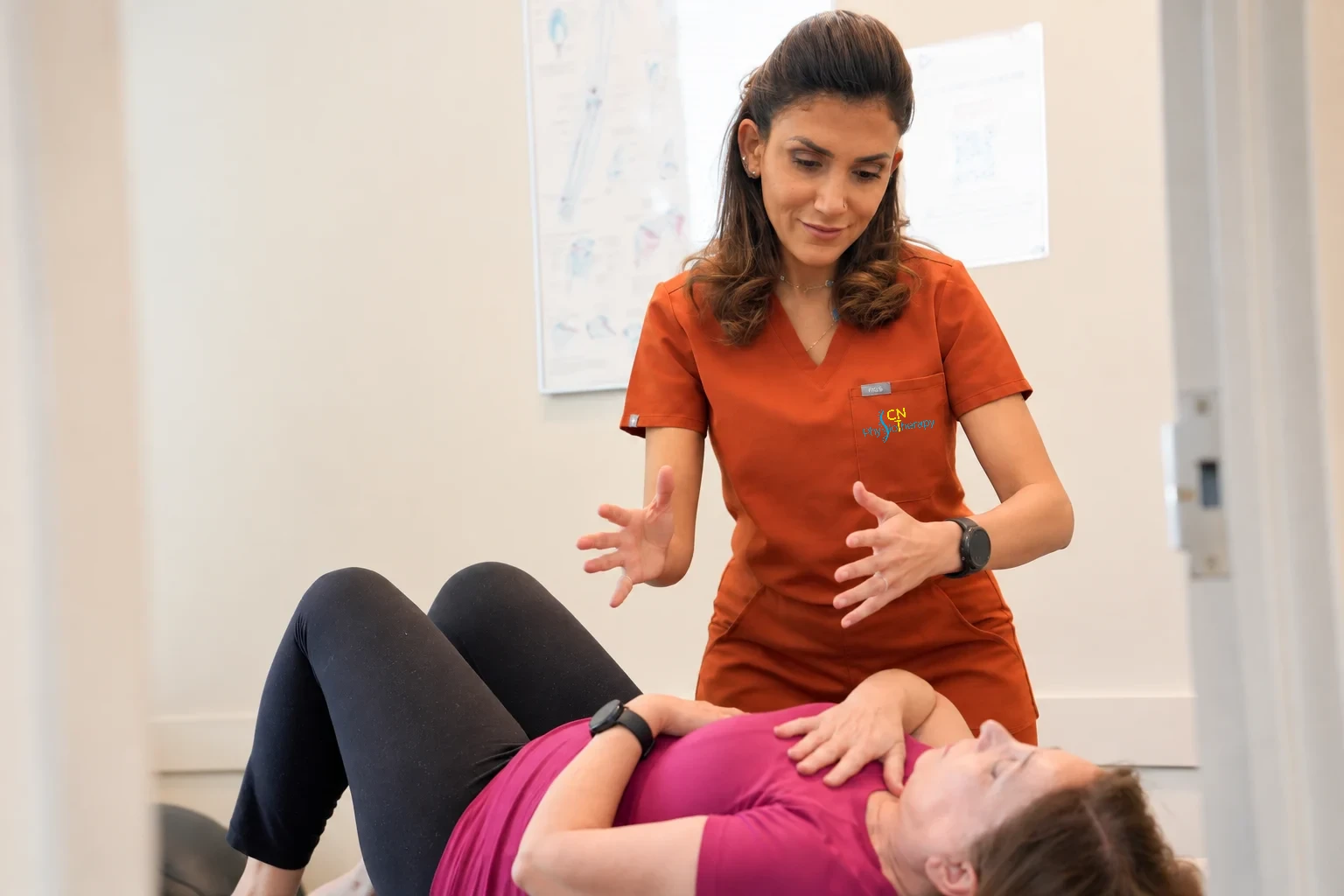
CN Physiotherapy provides personalized care for sports and soft-tissue injuries. Treatment may include movement guidance, progressive exercises, hands-on therapy, strength training, and a structured return to work or activity.
Appointments are available at CN Physiotherapy’s Fallingbrook, Orleanswood, and Carling locations. If pain, swelling, weakness, or limited movement is preventing you from returning to your regular activities, contact CN Physiotherapy to arrange an assessment.