Knee stiffness after sitting is something many people notice when they stand up from a chair, get out of the car, rise from the couch, or start walking after a long meeting. The first few steps may feel awkward, tight, painful, or slow. Sometimes the stiffness eases once you move around. Other times, it keeps coming back and begins to affect stairs, walking, exercise, or daily routines.
For people in Ottawa who spend long hours at desks, drive often, work from home, or manage active family and work schedules, knee stiffness can become a regular frustration. It may seem like a small issue at first, but repeated stiffness can be a sign that the knee joint, muscles, tendons, or surrounding movement patterns need attention.
Physiotherapy can help identify why the knee stiffens after sitting, improve mobility and strength, and support more comfortable movement throughout the day.
Why Knees Can Feel Stiff After Sitting
The knee is designed to move regularly. When you sit for a long time, the joint stays bent and relatively still. This can reduce fluid movement in the joint, tighten surrounding muscles, and make irritated tissues feel more noticeable when you stand.
The knee relies on joint mobility, muscle strength, tendon health, hip control, ankle movement, and good walking mechanics. If any part of that system is not working well, stiffness may show up after periods of rest.
Knee stiffness after sitting may be linked to:
- Joint stiffness
- Arthritis
- Patellofemoral pain
- Muscle tightness
- Tendon irritation
- Meniscus irritation
- Previous injury
- Weak quadriceps or glutes
- Reduced hip or ankle mobility
- Swelling inside the knee
- Long periods of inactivity
- Poor sitting posture or limited leg movement
Sometimes stiffness is mild and temporary. But if it is frequent, painful, or getting worse, it is worth paying attention to.
The “First Few Steps” Feeling
Many people describe knee stiffness as being worst during the first few steps after sitting. After walking for a minute or two, the knee may loosen up. This can happen because movement helps circulate joint fluid, warm up muscles, and reduce the sensation of stiffness.
This pattern is common with arthritis, mild joint irritation, and some tendon or kneecap-related issues. However, stiffness that improves with movement does not mean it should be ignored. It may be an early sign that the knee needs better support, strength, or mobility.
Common Cause: Knee Osteoarthritis
Knee osteoarthritis is one of the common reasons people experience stiffness after sitting, especially as they get older. Arthritis can affect the cartilage and joint surfaces, leading to stiffness, aching, swelling, and reduced range of motion.
People with knee arthritis often notice stiffness:
- In the morning
- After sitting for a long time
- When standing from a chair
- During stairs
- After long walks
- In colder weather
- After increased activity
Physiotherapy can help manage knee arthritis by improving strength, mobility, balance, and walking tolerance. While physiotherapy cannot reverse arthritis, it can often help reduce pain, improve function, and make daily activities easier.
Common Cause: Patellofemoral Pain
Patellofemoral pain refers to pain around or behind the kneecap. It is sometimes called runner’s knee, but it can affect anyone, including office workers, active adults, older adults, and people who sit for long periods.
This type of pain may feel worse after sitting with the knees bent, going up or down stairs, squatting, or standing up from a chair. Some people feel pressure, aching, clicking, or discomfort around the front of the knee.
Physiotherapy can help by improving kneecap tracking, strengthening the quadriceps and hips, addressing tightness, and improving movement patterns.
Common Cause: Muscle Tightness
Sitting keeps the knees bent and the hips flexed. Over time, muscles around the thighs, hips, and calves may feel tight or less responsive. Tightness in the quadriceps, hamstrings, calves, or hip flexors can contribute to stiffness around the knee.
However, stretching alone is not always enough. Muscles may feel tight because they are weak, tired, or guarding against pain. Physiotherapy can help determine whether stretching, strengthening, mobility work, or a combination is needed.
Common Cause: Swelling or Joint Irritation
Even a small amount of swelling inside the knee can make it feel stiff. Swelling may happen after injury, overuse, arthritis flare-ups, or increased activity. Sometimes the knee does not look very swollen from the outside, but it still feels tight or full when bending or straightening.
Signs of joint irritation may include:
- Tightness when bending the knee
- Difficulty fully straightening the knee
- A feeling of pressure inside the joint
- Warmth or puffiness
- Pain after activity
- Stiffness after sitting
Physiotherapy can help identify swelling patterns and guide activity changes, strengthening, and mobility exercises.
Common Cause: Previous Knee Injury
Old injuries can affect how the knee moves and feels long after the initial pain improves. A previous ligament sprain, meniscus irritation, kneecap issue, surgery, or sports injury may leave behind weakness, stiffness, or reduced confidence in the knee.
If the knee was never fully rehabilitated, stiffness after sitting may continue to appear during daily activity. Physiotherapy can help restore strength, mobility, balance, and movement control.
How Hip and Ankle Mobility Affect the Knee
The knee sits between the hip and ankle. If the hip or ankle is stiff or weak, the knee may take on extra stress.
For example, limited ankle mobility can change how the knee moves during walking or stairs. Weak hip muscles can affect knee alignment when standing from a chair or climbing steps. Poor foot mechanics can also influence knee loading.
A physiotherapist may assess more than just the knee because the source of the stiffness may involve the entire lower limb.
How Physiotherapy Helps With Knee Stiffness
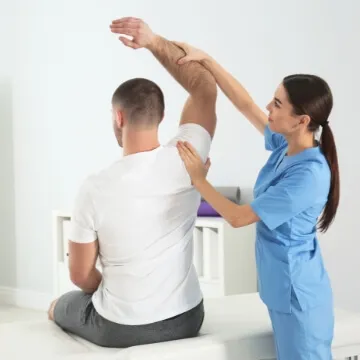
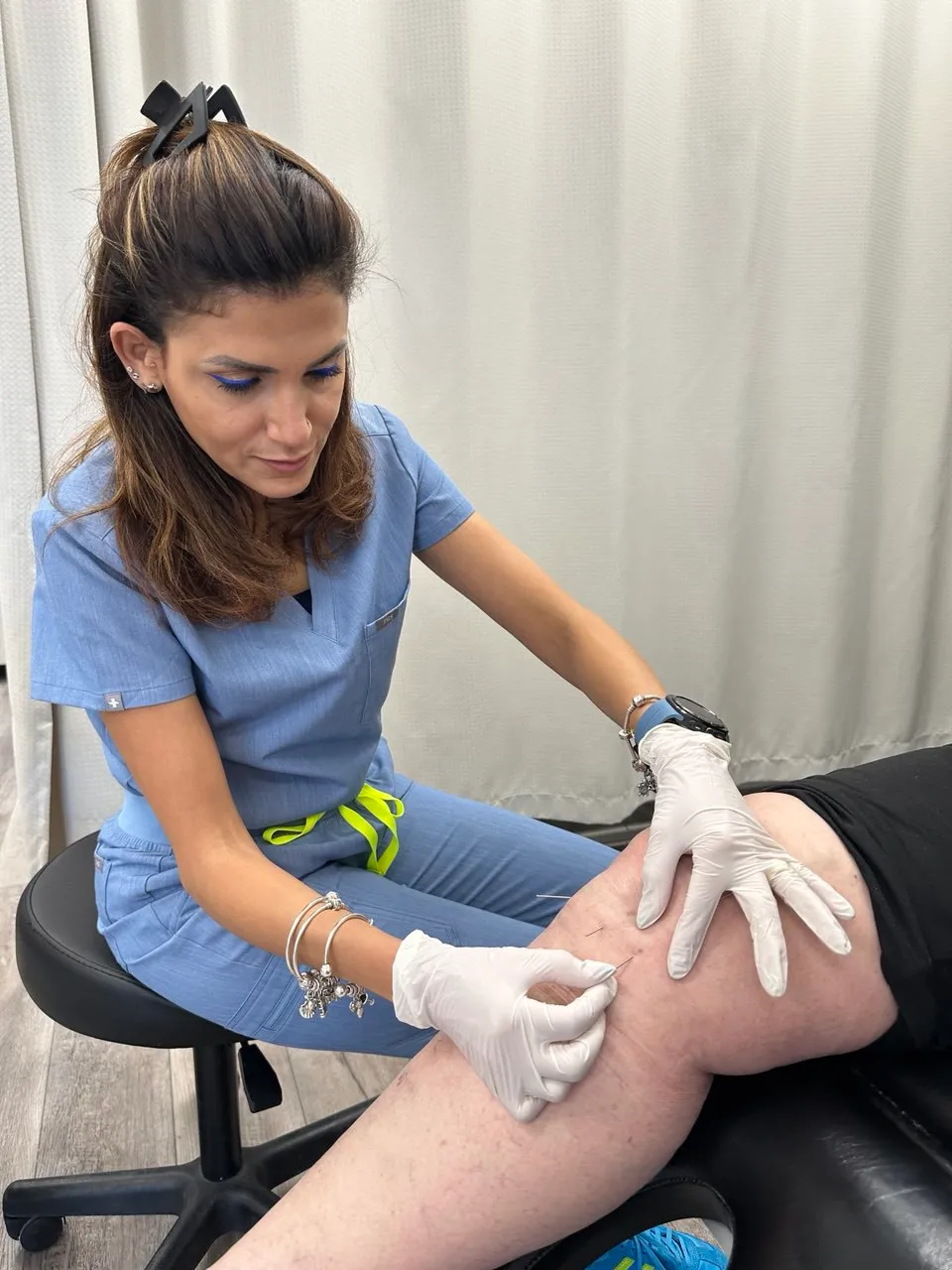
Physiotherapy starts with understanding the pattern of stiffness. A physiotherapist may ask when the stiffness happens, how long it lasts, what makes it better, what makes it worse, and whether there is pain, swelling, clicking, locking, or instability.
An assessment may include:
- Knee range of motion
- Strength testing
- Walking assessment
- Stair movement
- Balance
- Hip and ankle mobility
- Joint swelling checks
- Sit-to-stand movement
- Pain location and triggers
From there, treatment can be tailored to the cause.
Mobility Exercises for Stiff Knees
Mobility exercises can help improve joint movement and reduce stiffness after sitting. These exercises are usually gentle and designed to encourage comfortable movement.
Examples may include:
- Heel slides
- Knee extensions
- Gentle cycling motions
- Calf stretches
- Hamstring mobility
- Quad mobility
- Ankle mobility
- Hip mobility
The right exercises depend on the person. If the knee is swollen or irritated, aggressive stretching may make it worse. Physiotherapy helps match the exercise to the condition.
Strengthening for Better Knee Support
Strength is one of the most important parts of improving knee stiffness. Stronger muscles help support the joint and reduce excessive strain during standing, walking, and stairs.
Physiotherapy may include strengthening for:
- Quadriceps
- Hamstrings
- Glutes
- Calves
- Hip stabilizers
- Core muscles
Exercises may start with simple movements like seated knee extensions, sit-to-stands, bridges, step-ups, or controlled squats. The plan should progress gradually based on symptoms and ability.
Sit-to-Stand Training
Because knee stiffness often appears when standing up after sitting, physiotherapy may include sit-to-stand training. This helps improve strength, control, and confidence during one of the most common daily movements.
A physiotherapist may look at:
- How your feet are positioned
- Whether you use your hands to push up
- How your knees track
- Whether your hips help enough
- Whether one leg avoids load
- Whether pain changes with technique
Small changes in technique can sometimes make standing from a chair feel much easier.
Movement Breaks During the Day
If stiffness happens after long sitting, movement breaks can help. The knee often feels better when it is not held in one position for too long.
Helpful habits may include:
- Standing briefly every 30 to 60 minutes
- Straightening and bending the knees while seated
- Taking short walks
- Avoiding sitting with knees deeply bent for long periods
- Adjusting chair height
- Moving ankles and feet during long meetings
- Walking before stiffness becomes severe
These habits are simple, but consistency matters.
When to See a Physiotherapist
You may want to see a physiotherapist if knee stiffness:
- Happens often after sitting
- Lasts more than a few minutes
- Comes with pain or swelling
- Makes stairs difficult
- Causes limping
- Limits walking
- Affects exercise or work
- Keeps returning
- Makes it hard to stand from a chair
- Comes after an injury
- Is getting worse over time
Early assessment can help identify the cause before the stiffness becomes more limiting.
Warning Signs That Need Medical Attention
Some knee symptoms should be checked by a doctor or urgent care provider.
Seek medical attention if you have:
- Sudden severe pain
- Major swelling after injury
- Inability to bear weight
- Knee deformity
- Fever with knee redness or warmth
- Locking where the knee cannot fully bend or straighten
- New significant instability
- Pain after a fall or accident that is worsening
These symptoms may need medical investigation before starting regular physiotherapy.
Knee Stiffness and Ottawa Lifestyles
Ottawa routines can involve long desk hours, commuting, winter walking, stairs, recreational sports, and outdoor activity. Sitting through workdays, driving across the city, or being less active during colder months can all contribute to knee stiffness.
Physiotherapy can help people build a plan that fits daily life, whether the goal is walking comfortably, climbing stairs, returning to fitness, managing arthritis, or simply standing up from a chair without that stiff first-step feeling.
Final Thoughts
Knee stiffness after sitting is common, but it is not something you have to simply accept. It can be linked to arthritis, kneecap irritation, swelling, muscle tightness, weakness, previous injury, or movement issues involving the hip, ankle, or foot.
Physiotherapy can help identify the cause, improve mobility, strengthen the muscles that support the knee, and make everyday movements like standing, walking, and stairs feel easier. If stiffness keeps returning or starts limiting your day, getting assessed early can help you move with more comfort and confidence.